
When a city decides to upgrade its roads, expand public transit, or add new utilities, something interesting often happens: property values in the neighborhood tend to climb. This is no coincidence—there’s a powerful, direct connection between infrastructure quality and the prices people are willing to pay for real estate. Improved infrastructure means better roads, reliable utilities, new parks, and smoother public transit, all of which make life easier and more attractive for residents. As a result, demand for homes in these areas jumps, and so do the prices. It’s almost as if homes with better infrastructure get a shiny “upgrade” badge, making them more desirable for both homeowners and investors.
Upgraded infrastructure gives neighborhoods a boost, making homes more attractive and driving up both demand and property values.
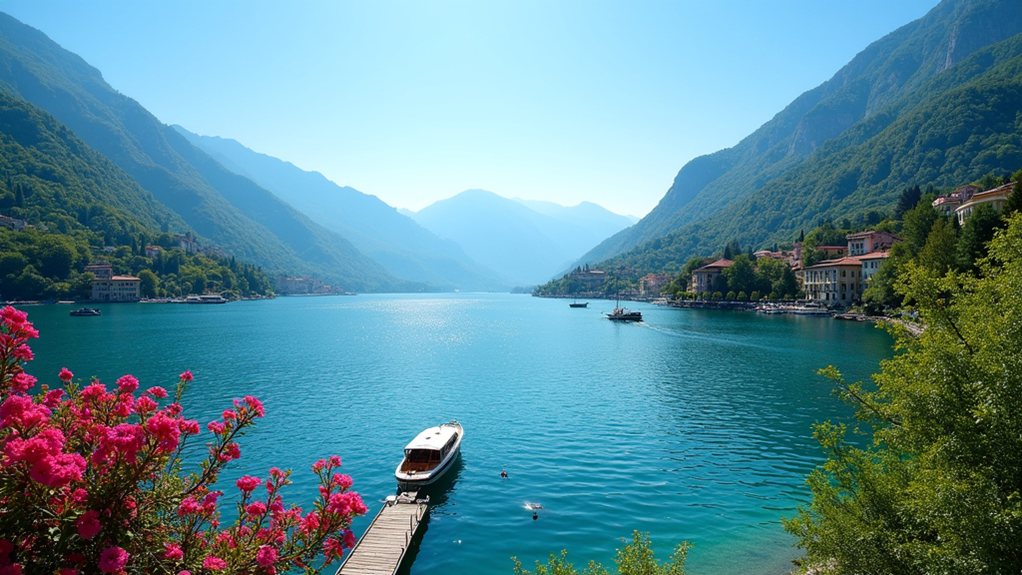
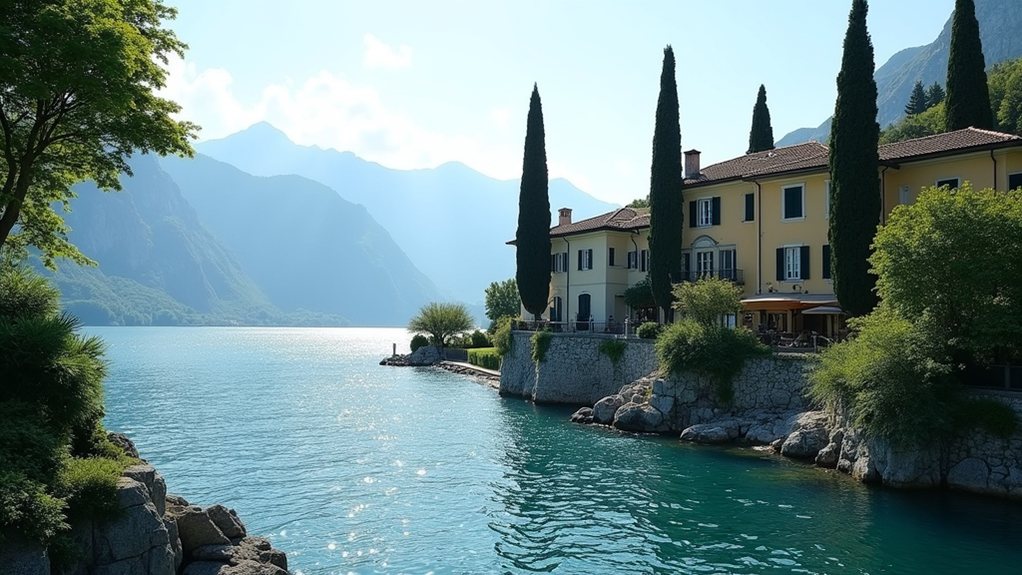
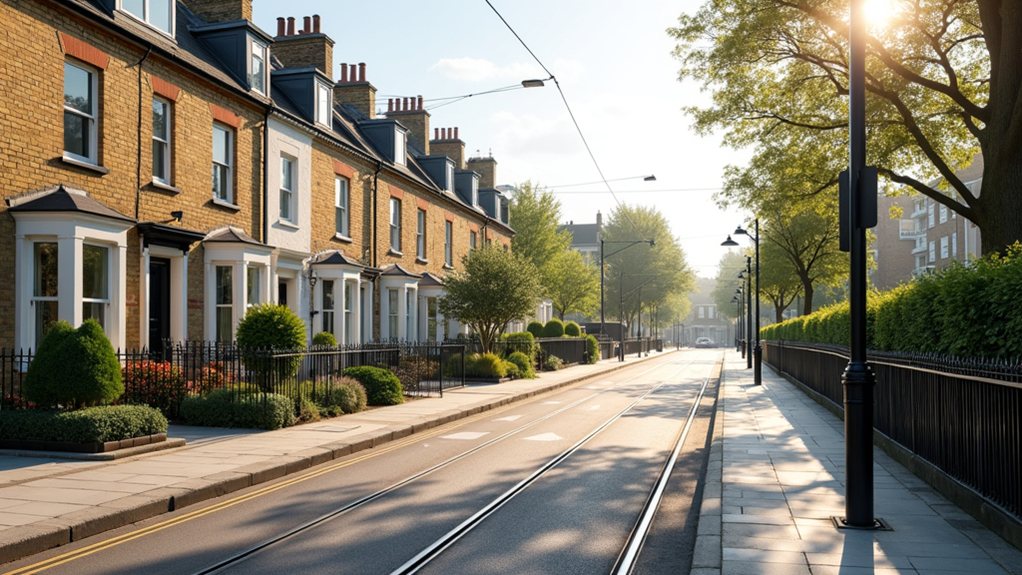
The impact of transport infrastructure is especially noticeable. When new rail lines, metro stations, or even ferry services open, homes near these links often experience a significant value uplift. Research shows that properties within walking distance of high-quality public transit frequently enjoy sale price premiums ranging from 5% to over 40%. For instance, homes near Sydney Metro Northwest stations saw price appreciation up to 15% above the broader market, while houses very close to busy rail stations can be roughly 25% pricier than those farther away. In the UK, properties just 500 meters from tube stations regularly outperform more distant homes, and in many cities, the so-called “proximity effects” can be the difference between an average investment and a golden opportunity. Additionally, towns like Menaggio and Bellagio benefit from their scenic locations, which further enhances property desirability.
Not all transport improvements are created equal, however. Rail-based projects like metro and light rail tend to generate stronger, more reliable boosts in property values compared to road upgrades alone. While a new road might make commutes shorter and increase accessibility, there’s a tradeoff if the property sits right on a noisy highway—sometimes, the value can actually dip due to noise or pollution.
Still, overall infrastructure improvements usually mean more people want to live, rent, or invest in the area, which keeps residential markets lively and prices on the rise. The relationship between infrastructure and property values isn’t just about convenience; it’s about investment demand and long-term growth. Modern, well-maintained infrastructure invites more investors, supports higher rental yields, and raises the standard of living. On the flip side, deteriorating infrastructure does the opposite, discouraging buyers and causing stagnation. Additionally, areas with improved lakeside promenades often see a boost in property values, as these scenic features enhance the overall appeal of the neighborhood.