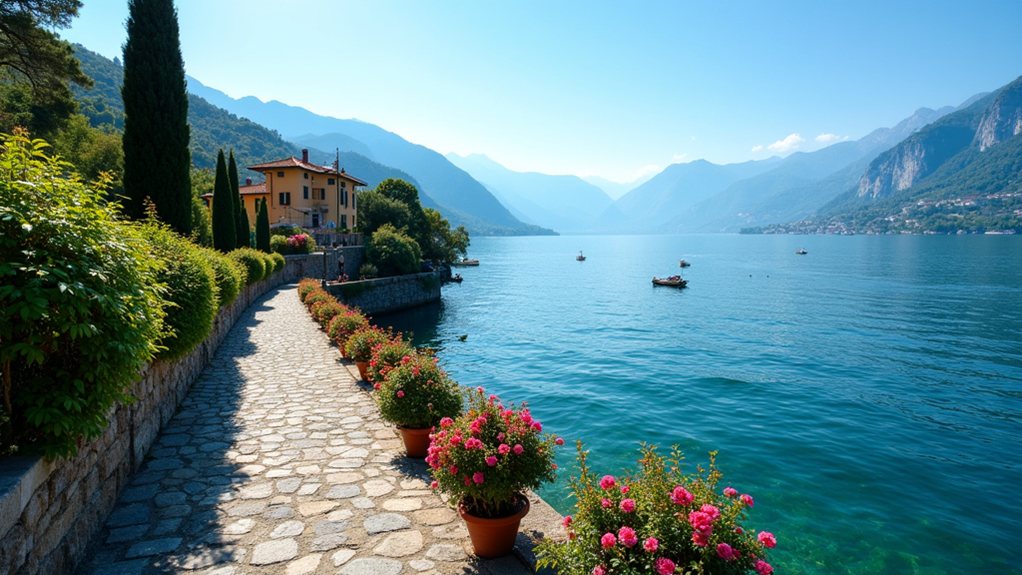
When buying an old house in Lake Como, buyers are often attracted by historic stone properties, hillside homes with lake views, and traditional village houses located in centuries-old towns.
However, many of these properties were built long before modern construction standards, and purchasing them requires careful attention to structural integrity, hidden defects, and local renovation regulations that apply across Lombardy and northern Italy.
Understanding the most common issues found in older homes around Lake Como can help buyers avoid unexpected renovation costs and ensure the property is suitable for long-term living, rental investment, or second-home use.
Key Takeaways
- Inspect for hidden structural issues like cracks in walls and deteriorating mortar, common in historic properties.
- Ensure professional inspections to identify potential plumbing, electrical, and foundational problems before purchasing.
- Be aware of legal compliance requirements, including necessary permits and adherence to local renovation laws.
- Look out for signs of water damage, such as mold or discoloration, which can indicate deeper structural issues.
- Verify the presence of asbestos in older homes and seek certified testing to avoid health risks and legal complications.
Understanding Structural Issues in Old Homes Around Lake Como
Many older properties around Lake Como are built using traditional stone masonry, particularly in historic villages and hillside locations. While these constructions contribute to the charm of the area, they often present structural challenges that buyers should assess carefully.
Common issues include deteriorated mortar joints, uneven foundations caused by hillside terrain, and load-bearing stone walls that were not designed to meet modern seismic or insulation standards. Properties located on sloping land may also show signs of gradual settlement over time, which can result in cracks or misaligned structures.
For this reason, professional structural surveys are especially important when purchasing older homes in Lake Como, particularly for properties intended for full-time residence or major renovation projects.
Identifying hidden defects is especially important when purchasing older properties in Lake Como, where many homes were built decades or centuries ago and later modified over time.
One of the most common issues is moisture-related damage. Properties located close to the lake or built into hillside terrain often suffer from damp walls, condensation, or water infiltration, particularly in stone houses that lack modern insulation or drainage systems. Visible signs may include mould, peeling plaster, or salt deposits on interior walls.
Structural cracks should be assessed carefully. While small cracks can result from natural settlement, wider or diagonal cracks may indicate movement in foundations, which is more common in sloped locations typical of Lake Como villages.
Outdated electrical and plumbing systems are another frequent concern. Many older homes were not designed to support modern energy demands and may require full replacement to meet current safety standards. Timber roof structures should also be inspected for signs of water damage or deterioration.
Buyers should remain alert to “vizi occulti” (latent defects), which are not immediately visible during viewings but may emerge after purchase. Professional inspections carried out by qualified surveyors or engineers are essential to identify these risks and avoid unexpected renovation costs.
Navigating Bureaucratic Hurdles in Renovation
Maneuvering the bureaucratic hurdles associated with renovating old houses in Italy can be a complex process, as various regulations and permits must be carefully followed.
In Lake Como, these procedures are often subject to closer scrutiny due to landscape protection rules and the presence of historic town centres, making local compliance particularly important.
To begin, homeowners must identify the appropriate building permit type. The SCIA is for substantial renovations, while the CILA is suited for minor changes. New constructions require a Permit to Build. Applications are processed in the order they are received, with a final decision expected within 30 days. However, modifications may delay this timeline. Additionally, engaging a team of professionals, including architects and engineers, is essential for ensuring the renovation meets all legal and aesthetic requirements. It is crucial to remember that building permits are essential before starting any renovation or reconstruction. Furthermore, understanding the potential impact of the region’s climate on renovation projects can help in planning effectively.
For historic properties, strict laws protect their integrity, meaning any work must respect original features. Engaging licensed professionals, such as architects or engineers, is crucial to navigate these requirements. They guarantee that plans comply with local regulations and urban planning rules. Additionally, knowledge of renovation laws is essential for ensuring compliance with local regulations and standards.
Furthermore, applicants should be prepared for potential infrastructure commitments. Understanding these bureaucratic processes is essential for a successful renovation project in Italy.
Awareness of Renovation Penalties and Deadlines
Understanding the deadlines and penalties associated with renovations in Italy is vital for new homeowners. Failing to comply can lead to severe consequences, including losing property rights or facing hefty fines. Homeowners must be vigilant about these timelines to avoid complications.
- Renovation plans must be submitted within 2-6 months of purchase.
- Work should begin within 2 months of obtaining permits and completed within 3-5 years.
- Missing deadlines can result in fines up to €20,000 or loss of acquired rights. Additionally, buyers should ensure that they have the necessary building permits before commencing any substantial work.
Moreover, buyers should confirm the building classification of the property to ensure compliance with local regulations before starting renovations. Homeowners should also be aware that permits may lapse if deadlines are missed, requiring reapplication under new rules. Additionally, the hidden costs associated with permits and professional services can significantly impact the renovation budget. Extensions for permits require timely justification before expiration. Overall, being informed about these regulations is essential to guarantee a smooth renovation process and avoid unexpected penalties.
Finding Reliable Contractors for Restoration
When looking for reliable contractors for restoration projects in Italy, it is essential to prioritize qualifications and experience. Buyers should verify that contractors hold official licenses and certifications required for restoration work. Membership in professional associations, such as builders’ guilds, is also important.
Reviewing a contractor’s portfolio, especially for historic properties like villas and farmhouses, can provide insight into their expertise. Additionally, firms with fluent English-speaking teams can ease communication for foreign buyers. Furthermore, it is crucial to consider contractors that offer emergency services to address any unforeseen issues that may arise during restoration.
It is beneficial to choose contractors specializing in historic properties, ensuring they use traditional techniques and high-quality materials. Furthermore, contractors that engage in ongoing research for high-performance materials can enhance the durability and efficiency of the restoration. Transparent project management is vital; clients should expect detailed budgets and regular updates.
Avoid contractors lacking local knowledge or those who cannot source specific materials. By following these guidelines, buyers can find trustworthy professionals to help restore their Italian homes efficiently and effectively.
Complying With Historical Restrictions and Regulations
Complying with historical restrictions and regulations is vital for anyone buying and restoring old houses in Italy. These rules help protect the country’s rich cultural heritage. Buyers must be aware of several important factors:
Understanding historical regulations is crucial for anyone restoring old houses in Italy, ensuring the preservation of the country’s cultural heritage.
- Vincolo Paesaggistico: This applies to properties in areas of historical or environmental significance, requiring detailed authorizations for changes.
- Cultural Heritage Code: Projects on listed buildings require permission and detailed plans, prohibiting demolition without prior government approval.
- Building Permits: Substantial renovations need permits that comply with local urban plans and cultural regulations. Additionally, Italy has the most UNESCO world heritage sites globally, further emphasizing the importance of adhering to these regulations. Compliance with urban planning instruments ensures that cultural property is preserved and protected throughout the restoration process.
Navigating these regulations can be challenging, as they vary by city and can complicate restoration plans.
Buyers should consult regional authorities to guarantee their projects align with zoning laws and preservation guidelines. Understanding these restrictions is vital for a successful restoration while maintaining the property’s historical integrity.
Why Old Homes in Lake Como Require Extra Due Diligence
Many traditional properties in Lake Como were constructed incrementally over long periods, often combining original structures with later extensions or internal modifications. As a result, documentation and compliance may vary significantly between properties.
Homes located in historic centres or hillside villages may include alterations that were carried out under older regulations or without formal authorisation. This makes it essential for buyers to verify cadastral conformity, approved floor plans, and the legal status of previous renovations.
Extra due diligence is particularly important for buyers planning to use the property as a primary residence, holiday home, or rental investment, as non-compliant elements can affect future renovation plans, resale value, or rental eligibility.
Frequently Asked Questions
What Financing Options Are Available for Purchasing Old Houses in Italy?
Financing options for purchasing old houses in Italy include Italian bank mortgages, which offer 50-60% loan-to-value (LTV) for foreign buyers, requiring a significant down payment.
Residents may access higher LTVs. Fixed and variable-rate mortgages are available, with terms from 5 to 30 years.
Non-residents face stricter criteria. For Americans, home equity loans or HELOCs can provide quicker financing by leveraging U.S. property equity, avoiding Italian banking restrictions on non-residents.
How Can I Verify the Property’s Historical Significance Before Buying?
To verify a property’s historical significance before buying, one should request the Certificato di sussistenza di Vincolo Paesaggistico from local authorities. This document confirms any conservation constraints.
Additionally, consulting the Regional Landscape Plan helps identify heritage areas.
It’s also essential to check the Cultural Heritage Code for listed buildings, ensuring compliance.
Conducting thorough inspections and obtaining necessary certificates will provide a clearer understanding of the property’s historical status and any restrictions involved.
What Insurance Considerations Should I Keep in Mind for Old Homes?
When considering insurance for old homes, one should focus on several key factors.
Standard policies often exclude building defects, aging equipment, and unoccupied properties. Earthquake and flood coverage is essential due to Italy’s natural disaster risks.
For mortgages, proof of building insurance is typically required. Additionally, valuable items may need special coverage and should be secured.
It’s important to understand policy limits and guarantee thorough protection for the property and belongings.
Are There Specific Taxes Associated With Buying Old Properties in Italy?
When buying old properties in Italy, buyers must consider several taxes.
The registration tax is 2% of the cadastral value for a first home and 9% for second homes.
Additionally, VAT on new builds ranges from 4% for first homes to 22% for luxury properties.
Buyers should also be aware of annual IMU taxes, which vary based on property value, and potential penalties for failing to meet prima casa requirements.
How Can I Find Previous Renovation Records for the Property?
To find previous renovation records for a property, one should start by visiting the Municipal Technical Office.
There, they can search for planning and building permits. It’s vital to verify any amnesty certificates related to past building regulation infringements.
Additionally, obtaining cadastral floor plans and checking if the property matches these records is essential.
Engaging professionals, like a geometra, can also help retrieve and confirm all necessary documentation efficiently.