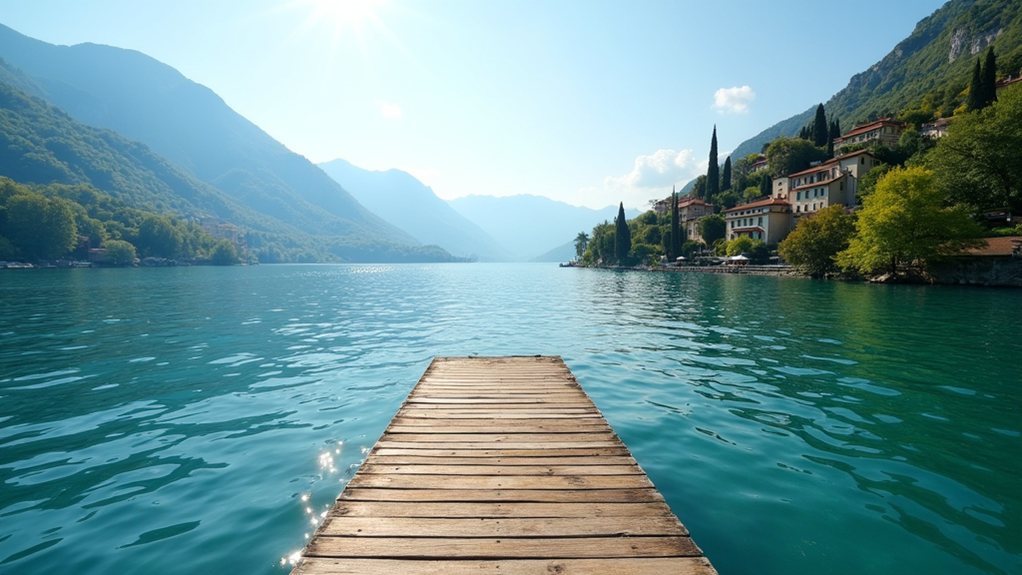
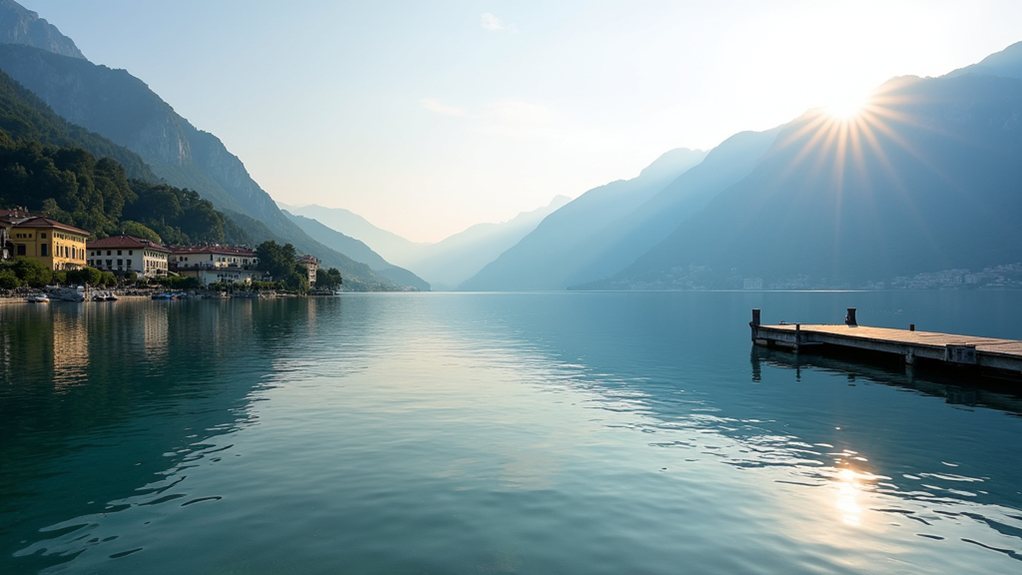
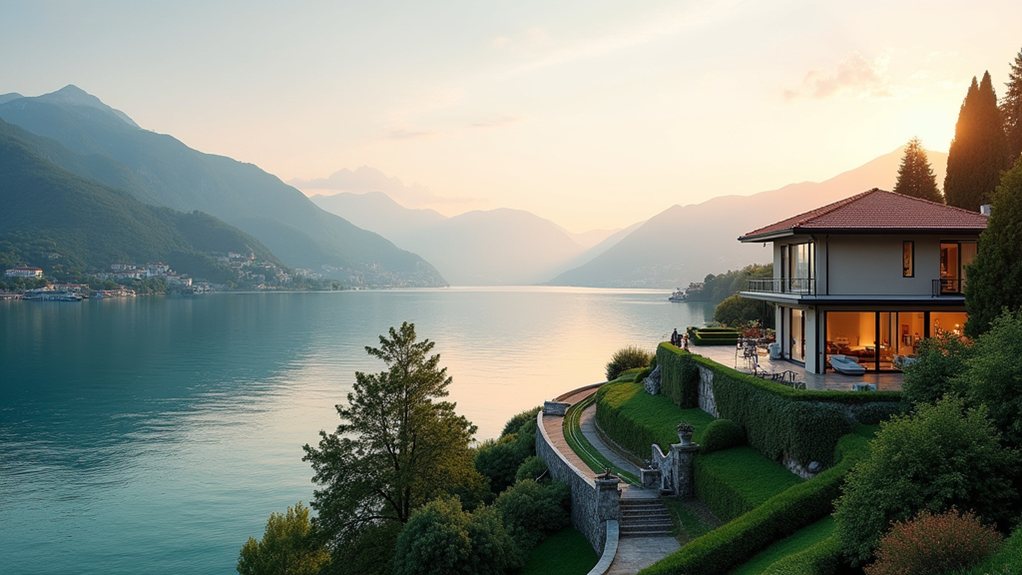
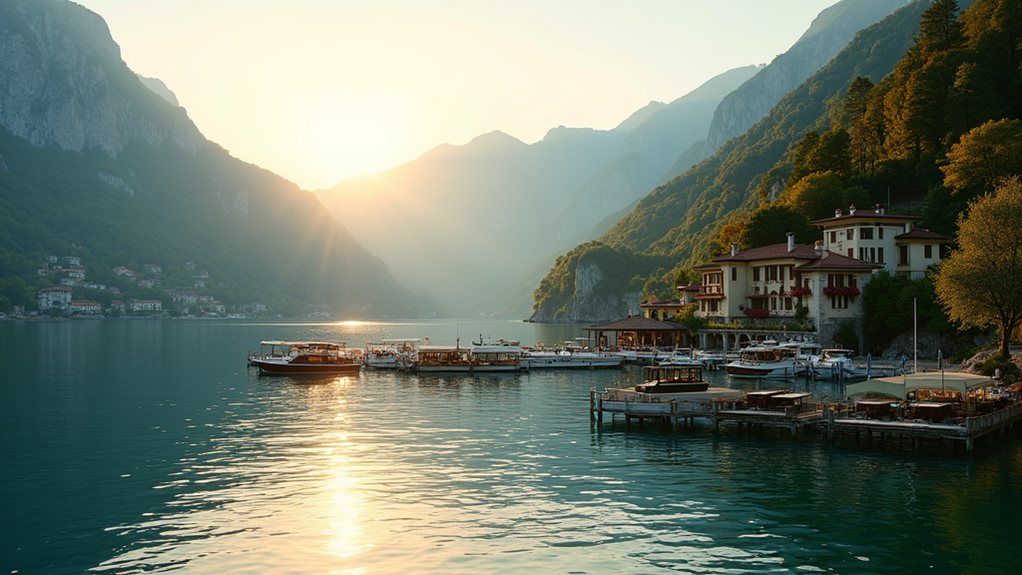
Living in Lake Como is often imagined as a permanent holiday: lakeside cafés, dramatic views, and an effortless Mediterranean rhythm. The reality, however, is more layered — and far more dependent on how daily life actually unfolds once the novelty fades.
For people considering a long-term move, Lake Como is not defined by weekends, hotels, or postcard moments. It is defined by routines: where you shop, how you move around in winter, whether services remain open year-round, how social life forms, and how comfortable everyday logistics feel over time.
This guide is written for those who want to understand what living in Lake Como is really like before making a decision. Not where to buy, not how much property costs — but how life feels when this becomes your base, not your destination.
Throughout this guide, the focus is on daily experience: rhythm, seasonality, community, and how different parts of the lake support or complicate everyday living.
Key Takeaways
- Living in Lake Como works best for people who value rhythm, routine, and natural surroundings over speed, nightlife, or constant novelty. Daily life is calm, repetitive, and grounded in local habits.
- Your experience will depend far more on where you live than on the lake itself. Two towns a few kilometres apart can feel like completely different lifestyles, especially outside peak season.
- Seasonality is not a minor detail. Summer and winter feel like two separate ways of living, affecting social life, services, noise levels, and even personal routines.
- Comfort and long-term satisfaction depend on practical factors such as walkability, access to services, winter livability, and transport connections — not just views or reputation.
- People who adapt their expectations to local rhythms tend to integrate well. Those who try to recreate big-city or holiday-style living often struggle over time.
- If these points feel aligned with how you want to live, Lake Como can offer an exceptionally high quality of life. If they feel restrictive, other destinations may be a better fit.
What Living in Lake Como Feels Like Day to Day
Daily life in Lake Como is shaped by rhythm rather than urgency. A typical day starts quietly, often with a walk along the lake, a stop at a local café, or errands done on foot. Mornings feel unhurried, especially outside high season, and routines tend to repeat themselves in a comforting way.
Afternoons are slower. Shops may close for a few hours, and the pace of the day naturally dips. For some newcomers this feels inconvenient at first, but many residents come to appreciate the enforced pause. Work schedules, remote calls, or personal projects are often planned around this rhythm rather than against it.
Evenings are social but understated. Rather than nightlife, life centres around aperitivo, simple dinners, and familiar places. You tend to see the same people regularly, which gradually builds a sense of belonging. Social life is rarely spontaneous at scale, but it is consistent and grounded.
Weather and seasonality subtly dictate behaviour. In summer, days expand outdoors and routines adjust to crowds and heat. In winter, life contracts inward: earlier evenings, quieter streets, and a stronger focus on home, routine, and close connections. Residents who adapt their expectations to these seasonal shifts usually settle more comfortably than those who resist them.
What People Often Underestimate Before Moving
Living in Lake Como can be deeply rewarding, but it comes with adjustments that are rarely obvious during short stays. Most challenges are not dramatic — they are subtle, cumulative, and linked to everyday routines.
Seasonality is the most underestimated factor. Summer feels social, energetic, and externally focused. Winter feels quieter, inward-looking, and more residential. In highly touristic towns, some restaurants close, ferry frequency changes, and social interaction becomes more limited. People who arrive expecting the same lifestyle year-round often struggle, while those who embrace the seasonal shift tend to settle well.
Administrative friction is another common surprise. Tasks that feel simple elsewhere — registering residency, healthcare access, utilities, or vehicle paperwork — often require patience, in-person visits, and Italian-language documentation. Progress is rarely fast, but it is usually possible with persistence. Accepting this pace reduces frustration significantly.
Social integration rarely happens quickly. Communities are polite and welcoming, but relationships develop through repetition rather than instant inclusion. Seeing the same people weekly, frequenting the same cafés, and participating in local routines matters far more than introductions. Many newcomers underestimate how long this process takes.
Tourism pressure affects daily comfort more than expected. In peak months, noise, crowds, and traffic influence when residents go out, where they shop, and how they move around. Long-term residents adapt by choosing quieter micro-locations or shifting routines during July and August.
None of these factors are deal-breakers. But understanding them in advance is essential to avoid disappointment and to make choices that support long-term satisfaction.
Who Thrives Here (and Who Usually Doesn’t)
Lake Como is not a universally compatible lifestyle. People who thrive here tend to share certain expectations and personal preferences that align well with the lake’s rhythm.
Those who adapt best are often people who value calm over stimulation and routine over variety. Retirees, semi-retirees, and remote workers usually integrate well, particularly if they enjoy spending time outdoors, walking, and structuring their days independently.
The lifestyle suits individuals comfortable with repetition. Seeing the same cafés, shops, and faces regularly is part of daily life, not a limitation. People who find comfort in familiarity and gradual social connection often feel deeply at home after the first year.
Lake Como also works well for people who do not rely on constant external entertainment. Social life is subtle and built over time. Relationships form through consistency rather than spontaneity, and evenings tend to be quiet, especially outside summer.
By contrast, those who struggle most are often people who expect continuous novelty, active nightlife, or fast-paced social dynamics. Outside Como town, many villages feel slow in winter, and social circles change very little over time.
People who associate quality of life with choice, speed, and constant activity may find the environment restrictive rather than relaxing. Similarly, those who rely heavily on structured social or professional networks may take longer to feel settled.
Neither profile is right or wrong — but understanding where you fall on this spectrum is essential before committing to life on the lake.
Everyday Life Essentials
Seasons and Rhythm of Life
Life in Lake Como is strongly seasonal, and this affects far more than weather. Daily routines, social interaction, mobility, and even personal mood shift noticeably throughout the year.
Summer brings longer days, outdoor living, and a strong social presence driven by tourism. Streets are busier, ferries run frequently, and cafés and restaurants stay open late. For many newcomers, this period feels vibrant and energising — but it can also feel crowded and noisy, especially in highly touristic towns.
Winter offers a completely different experience. Life slows down, evenings arrive earlier, and daily routines become more inward-focused. Some restaurants and services reduce hours or close entirely in smaller towns, while others operate normally in more residential centres. Social life becomes quieter but more consistent, centred around locals rather than visitors.
Spring and autumn are often the most balanced seasons. These months offer functioning services, lighter tourism pressure, and a rhythm that many long-term residents consider ideal. Understanding which season best matches your lifestyle preferences is essential when choosing where to live on the lake.
Community, Language, and Integration
Community life in Lake Como is built slowly and through repetition rather than immediate inclusion. Relationships tend to form organically over time, driven by shared routines rather than formal introductions. Seeing the same people at the same café, market, or walking route week after week is far more important than actively trying to socialise.
For most newcomers, the first months feel observational rather than participatory. It is common to feel welcomed but not yet included. This phase is temporary, but only for those who remain consistent in their habits and presence. Integration is less about effort and more about visibility and continuity.
Language plays a decisive role. While English is widely spoken in tourist-facing areas, daily life in residential towns operates primarily in Italian. Learning even basic Italian significantly improves independence, confidence, and social connection — especially in healthcare, administration, and neighbourhood interactions.
Touristic towns often feel easier at first due to language accessibility, but deeper integration tends to happen more naturally in less touristic areas over time. Residents who accept this gradual process usually build stronger, more stable social networks within their first year.
Getting Around Without Stress
Mobility plays a much larger role in daily comfort than most newcomers expect. How easily you can move around — on foot, by ferry, or by car — has a direct impact on stress levels, independence, and overall quality of life.
Walkability is one of the strongest predictors of long-term satisfaction. Living within walking distance of shops, cafés, pharmacies, and basic services simplifies daily routines and reduces reliance on planning. Flat town centres such as Como, Menaggio, and parts of Lecco offer a noticeably easier everyday experience.
Ferries are useful but should not be idealised. They work well for planned movement and scenic travel, but are less practical for spontaneous errands or winter routines. Frequency, reliability, and seasonal schedules vary significantly depending on location.
Car dependency increases quickly in hillside or more remote areas. While these locations offer calm and privacy, they require careful consideration of winter access, parking availability, and daily travel time. Over time, many long-term residents prioritise ease of movement over views, especially for full-time living.
The most common mistake is choosing a location based on scenery without testing everyday logistics. Short distances on the map can translate into long or inconvenient daily journeys in practice. Experiencing daily movement — not just destinations — is essential before committing to a location.
Lake Como Lifestyle by Area and Town
When it comes to lifestyle, the best place to live in Lake Como is rarely the most photographed one. Daily comfort is shaped less by views and more by how easily everyday life functions once routines settle in.
Choosing the right town depends on practical and personal factors: walkability, winter livability, access to services, noise levels, community structure, and how seasonal tourism affects daily routines. Two locations with similar scenery can offer completely different lived experiences, especially outside summer.
The descriptions below focus on how life actually feels in each area — not on reputation or popularity. There is no universal “best” town, only places that align better or worse with how you plan to live day to day.
Como: City Lifestyle and Practicality
Como offers the most urban and structured lifestyle on Lake Como. It functions as a real city rather than a seasonal town, with year-round services, hospitals, schools, supermarkets, and a level of infrastructure that supports everyday life without constant adjustment.
Daily routines here feel predictable and efficient. Errands are easy to manage, public transport is reliable, and the city maintains activity throughout the year. Unlike smaller lake towns, life in Como does not slow dramatically in winter, which many long-term residents see as a major advantage.
Social life is more varied and accessible than elsewhere on the lake. There is greater diversity in age groups, professional profiles, and international residents. While it lacks the intimate village feel of smaller towns, it compensates with choice, anonymity, and flexibility.
Como suits families, commuters to Milan or Switzerland, remote workers who value structure, and residents who prefer a balance between lake scenery and urban practicality. Those seeking quiet village life or a strong sense of local intimacy may find it less charming, but for full-time living, Como offers one of the most stable and adaptable lifestyles on the lake.
For families, Como offers one of the most practical living environments on the lake. Schools, extracurricular activities, healthcare services, and child-friendly amenities are easily accessible, while the restaurant scene provides variety without relying solely on tourism. Daily life with children feels structured and manageable, especially for year-round residents.
Menaggio: Balanced and Walkable
Menaggio offers one of the most balanced lifestyles on Lake Como outside Como town. Its flat centre, lakeside promenade, and pedestrian-friendly layout make daily life easy and intuitive, particularly for those who want to minimise car dependency.
Life here feels active without being overwhelming. Daily routines often revolve around walking, local cafés, small shops, and the lakefront. Unlike more touristic villages, Menaggio maintains a sense of continuity throughout the year, with essential services, schools, and healthcare remaining accessible outside peak season.
For families with children, Menaggio provides a safe and manageable environment. Walkability allows children greater independence, outdoor spaces are integrated into daily life, and routines feel predictable. Many families value the balance between nature, social visibility, and access to everyday services.
Retirees and semi-retirees are also well represented. The town supports an active but relaxed lifestyle, with regular social interaction, easy access to cafés and restaurants, and a pace that encourages routine without isolation. Social life tends to be informal and familiar rather than event-driven.
Menaggio’s restaurant and bar scene is lively but grounded. While tourism influences summer activity, many venues cater to residents year-round, supporting everyday social life rather than peak-season crowds. Aperitivo culture, lakeside dining, and casual bars form part of regular routines rather than special occasions.
Outdoor activities are a natural extension of daily life. Walking, cycling, ferry trips, and easy access to surrounding towns encourage movement and variety without logistical complexity. For many long-term residents, Menaggio represents a practical and sociable way to enjoy central Lake Como without the pressures of more performative locations.
Bellagio: Iconic Beauty, Tourist Pressure, and Daily Reality
Bellagio is often described as the most iconic town on Lake Como. Its historic centre, steep staircases, and dramatic peninsula setting make it visually striking and instantly recognisable. For many visitors, Bellagio represents the “image” of Lake Como — but living here day to day presents a very specific lifestyle that differs from nearby towns.
Daily life in Bellagio is strongly shaped by tourism. From late spring to early autumn, the town is busy from morning until early evening, with a constant flow of day-trippers arriving by ferry. Streets, cafés, and shops are lively, but also crowded, which affects routines such as shopping, walking, or running simple errands.
Outside peak season, Bellagio changes significantly. Winter brings calm, reduced ferry traffic, and a more residential atmosphere. Some restaurants and businesses close or reduce hours, and daily life becomes quieter and more predictable. Residents who enjoy seasonal contrast often appreciate this shift, while others find the fluctuation challenging.
For families with children, Bellagio can work best when living slightly outside the historic centre. Quieter residential areas offer more space, easier routines, and less exposure to daily tourist pressure. While schools and services are accessible, families often need to plan logistics carefully, particularly in summer when crowds affect mobility.
Retirees and couples are more commonly represented than young families. Many value the beauty, walkability, and slower pace outside peak hours. Social life tends to be calm and routine-based rather than dynamic, with familiar cafés and restaurants forming the core of everyday interaction.
The restaurant and bar scene is vibrant but tourism-oriented. While summer offers variety and energy, many venues are designed for visitors rather than residents. Long-term residents tend to frequent a smaller number of trusted places that remain open year-round and feel more locally grounded.
Bellagio suits people who prioritise scenery, walkability, and iconic surroundings, and who are comfortable adapting routines around tourism. It is less suited to those seeking year-round calm, easy spontaneity, or a strongly residential feel. For the right profile, Bellagio offers beauty and character — but daily life here requires flexibility and realistic expectations.
Western Shore (Tremezzo, Lenno, Griante): Calm and Residential
The western shore of Lake Como — particularly Tremezzo, Lenno, and Griante — offers one of the most stable and residential lifestyles on the lake. Life here feels intentionally calm, shaped around local routines rather than seasonal tourism.
Daily life is quieter and more predictable than in central tourist hubs. Shops, cafés, and services operate year-round, and the rhythm of the towns remains relatively consistent across seasons. Many residents value the absence of constant crowds and the sense of continuity this provides.
This area suits people who prioritise peace, routine, and long-term comfort. Retirees and semi-retirees are common, as are families seeking a quieter environment without feeling isolated. While daily logistics may require slightly more planning than in Como or Menaggio, the trade-off is a calmer and more grounded lifestyle.
For families with children, the western shore offers space, safety, and access to outdoor life. Schools and everyday services are reachable, often by car, and daily routines tend to be structured around home, community, and nature rather than entertainment.
Restaurants and cafés here are more understated and resident-oriented. Social life centres around familiar places rather than events, with aperitivo and casual dining forming part of regular routines. Activity is present, but it feels integrated into daily life rather than driven by peak-season demand.
For many long-term residents, the western shore represents a version of Lake Como living that feels sustainable, calm, and well suited to year-round life.
Varenna: Beautiful but Busy
Varenna is one of the most visually striking towns on Lake Como. Its compact layout, colourful houses, and dramatic lakefront setting make it highly walkable and immediately appealing, especially to first-time visitors.
Living in Varenna, however, requires adjusting expectations. During peak season, the town experiences heavy tourist traffic, particularly during the day. Crowds, noise, and limited space can significantly affect daily routines, making simple errands or quiet walks more challenging in summer months.
Outside peak season, life changes noticeably. The town becomes calmer and more residential, with a slower pace and a stronger sense of local routine. This contrast is appealing to some residents but difficult for others who struggle with the seasonal swing.
For families with children, Varenna can work best when choosing quieter micro-locations slightly removed from the main tourist flow. While walkability and transport connections are strong, daily life often requires adapting routines around visitor patterns.
Retirees and couples seeking beauty, simplicity, and strong transport links may find Varenna rewarding, particularly if they value scenery over space and accept seasonal fluctuation as part of daily life. For long-term residents, success in Varenna depends less on the town itself and more on tolerance for tourism and comfort with limited everyday flexibility.
Eastern Lake Como and Lecco: Grounded and Resident-Oriented
The eastern side of Lake Como offers one of the most functional and resident-oriented lifestyles in the area. Towns here feel less shaped by tourism and more integrated into everyday Italian life, making them particularly appealing for full-time living.
Lecco stands out as a fully functioning city with strong commuter links, schools, healthcare, sports facilities, and year-round activity. Daily life here feels structured and practical, with less seasonal fluctuation and a clearer distinction between residential and touristic spaces.
For families with children, the eastern side — especially Lecco — provides stability and predictability. Schools, extracurricular activities, and everyday services are designed for residents rather than visitors, and routines are less disrupted by peak-season tourism.
Retirees and long-term residents often appreciate the quieter, more grounded atmosphere. Social life is centred around local cafés, neighbourhood restaurants, walking routes, and community routines rather than events or seasonal crowds.
Restaurants and bars on the eastern side tend to cater to locals. Dining is less performative and more habitual, forming part of everyday life rather than special occasions. While the area may lack the iconic visuals of central Lake Como, many residents consider its usability and calm a significant advantage.
For those prioritising livability, continuity, and long-term comfort over postcard scenery, the eastern side of Lake Como represents one of the most sustainable lifestyle choices on the lake.
A Reality Check Before You Commit
Living in Lake Como is not about constant excitement or living in a permanent state of discovery. It is about rhythm, repetition, and learning to find satisfaction in everyday simplicity. The lake rewards those who slow down enough to adapt to its pace rather than trying to reshape it.
Over time, daily life becomes less about scenery and more about comfort: how easy it is to run errands, whether social interactions feel natural, and whether routines support rather than complicate your life. The people who thrive here are rarely escaping something — they are simplifying, choosing stability over stimulation.
This lifestyle requires patience. Integration takes time, seasons change the social landscape, and not every day feels exceptional. But for those aligned with its rhythm, Lake Como offers depth rather than intensity, continuity rather than novelty.
Before committing, the most valuable step is experience. Spend time in different towns, visit outside peak season, and observe daily routines rather than highlights. Pay attention to how life feels on an ordinary weekday, not just on a perfect summer afternoon.
Lake Como can offer an exceptional quality of life — but only when expectations align with reality, and when the choice is made for how life will be lived, not how it looks.
Frequently Asked Questions About Living in Lake Como
Is Lake Como suitable for year-round living, or only for seasonal stays?
Lake Como can work very well for year-round living, but the experience varies greatly depending on location. Towns such as Como, Lecco, Menaggio, and parts of the western shore maintain services, schools, healthcare, and daily activity throughout the year. Smaller or highly touristic villages may feel quiet in winter, with reduced restaurant options and social activity.
The key factor is not the lake itself, but whether the town functions as a residential community outside peak season.
What does daily life actually feel like once the novelty fades?
Daily life becomes routine-focused rather than experience-driven. Most residents settle into predictable rhythms: walking, cafés, errands, work, and home life. The lake becomes a backdrop rather than a destination.
People who expect constant stimulation or novelty often struggle, while those who value calm, repetition, and simplicity tend to feel increasingly comfortable over time.
How different is life in summer compared to winter?
Summer and winter feel like two distinct lifestyles. Summer is social, busy, and externally focused, particularly in central lake towns. Winter is quieter, more residential, and closer to everyday Italian life.
Many long-term residents prefer winter once routines are established, but newcomers should experience both seasons before committing.
Is it possible to live in Lake Como without a car?
In limited cases, yes — but most residents eventually rely on a car. Walkable town centres such as Como, Menaggio, and parts of Lecco allow for a car-light lifestyle, especially if daily needs are nearby.
However, ferries are best seen as planned transport rather than spontaneous mobility, and hillside or quieter residential areas usually require a car for daily comfort.
Which areas feel most “normal” and livable in winter?
Como town, Lecco, Menaggio, and western shore towns such as Tremezzo and Lenno retain year-round life. Shops, schools, healthcare services, and local restaurants remain open, and routines continue with little disruption.
Highly touristic villages can feel dramatically quieter, which some residents enjoy and others find isolating.
Is Lake Como a good place to raise children?
It can be, particularly in towns that function year-round. Families often choose Como, Lecco, and Menaggio due to schools, healthcare access, sports facilities, and predictable routines.
Children benefit from outdoor life and community visibility, but parents should consider school locations, transport logistics, and winter routines when choosing where to live.
How easy is it for foreigners to integrate locally?
Integration is gradual rather than immediate. Communities are welcoming, but relationships form through repetition and routine rather than introductions. Many newcomers feel like observers for the first months before gradually becoming part of daily life.
Learning Italian — even at a basic level — significantly improves integration, independence, and confidence.
Is Lake Como suitable for remote workers?
Yes, particularly for those seeking calm and quality of life. Many residents work remotely and structure their days around the lake’s rhythm. Reliable internet is widely available, but it should always be checked at the specific property level.
Remote workers who require constant social interaction or fast-paced environments may find smaller towns challenging outside summer.
Is it better to live by the lake or on the hillside?
Lake-level living offers walkability and easy access to services but comes with more tourism, noise, and seasonal pressure. Hillside living provides space, privacy, and calm, but usually requires a car and careful consideration of winter access.
Many full-time residents choose accessible hillside locations that balance quiet living with manageable daily logistics.
What is the most common mistake people make before moving?
Choosing a location based purely on views or reputation without testing daily life. Short stays in peak season often hide logistical challenges, winter quiet, and mobility constraints.
Spending time in the area during the off-season and observing ordinary weekdays is strongly recommended before committing.
Is Lake Como better for full-time living or part-time residence?
Both are possible, but long-term satisfaction depends on choosing a location aligned with how consistently the property will be used. Some areas work beautifully as part-time bases but feel restrictive for full-time living.
Lifestyle fit matters more than prestige or scenery.
Final question: who is Lake Como really for?
Lake Como suits people who are simplifying rather than escaping. Those who value rhythm, routine, and everyday comfort over constant stimulation tend to thrive. For the right profile, it offers depth, continuity, and an exceptionally high quality of life.