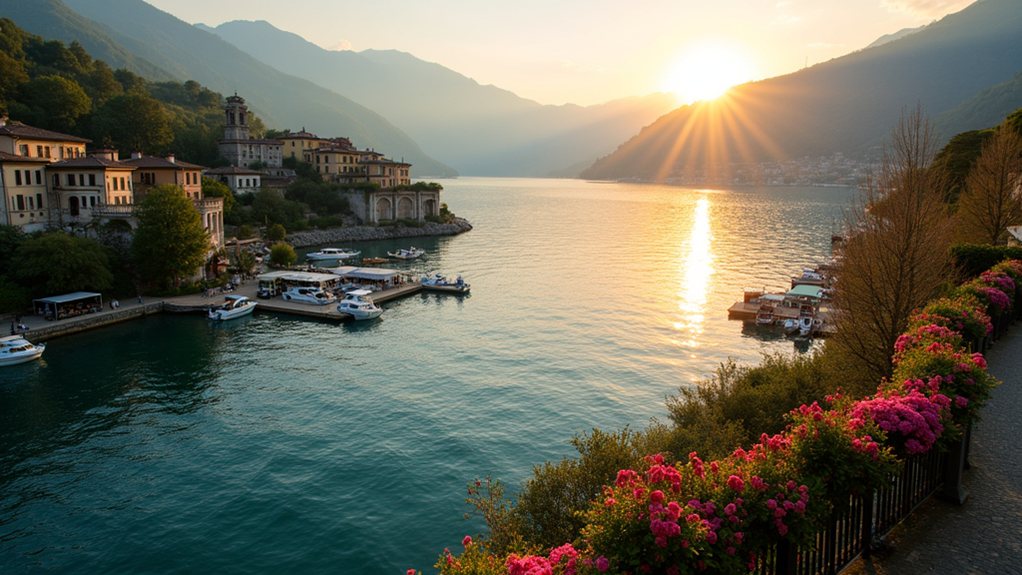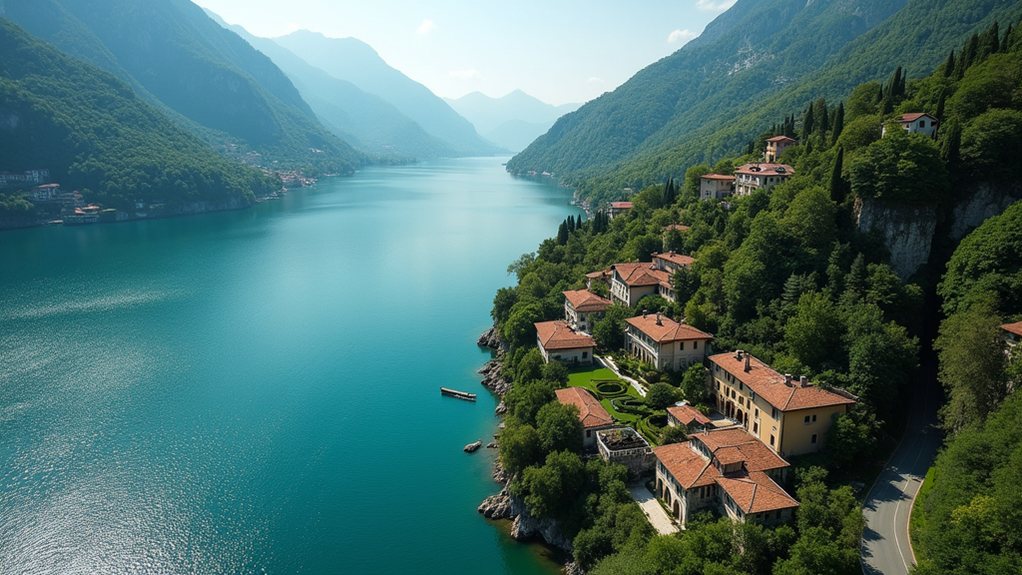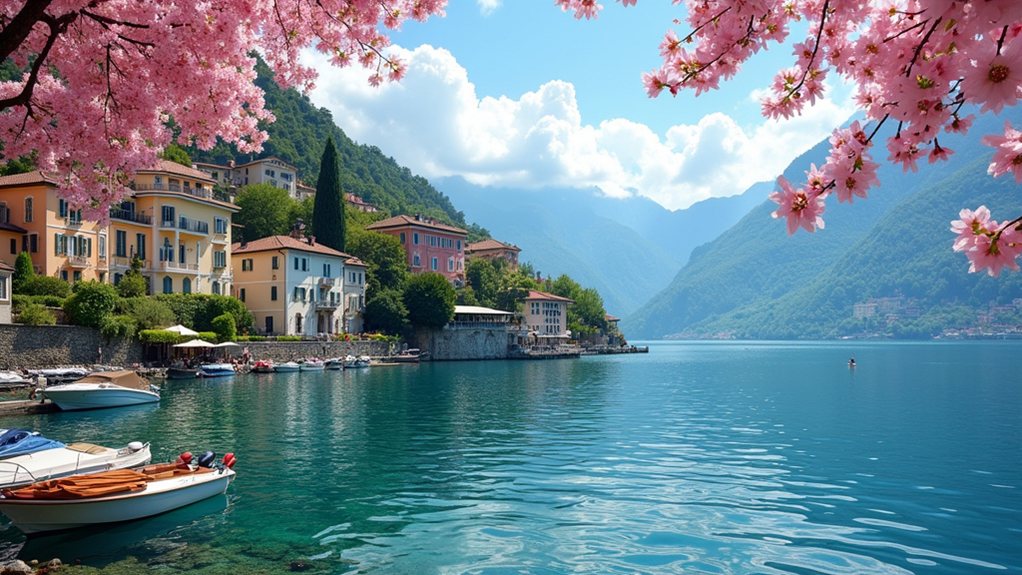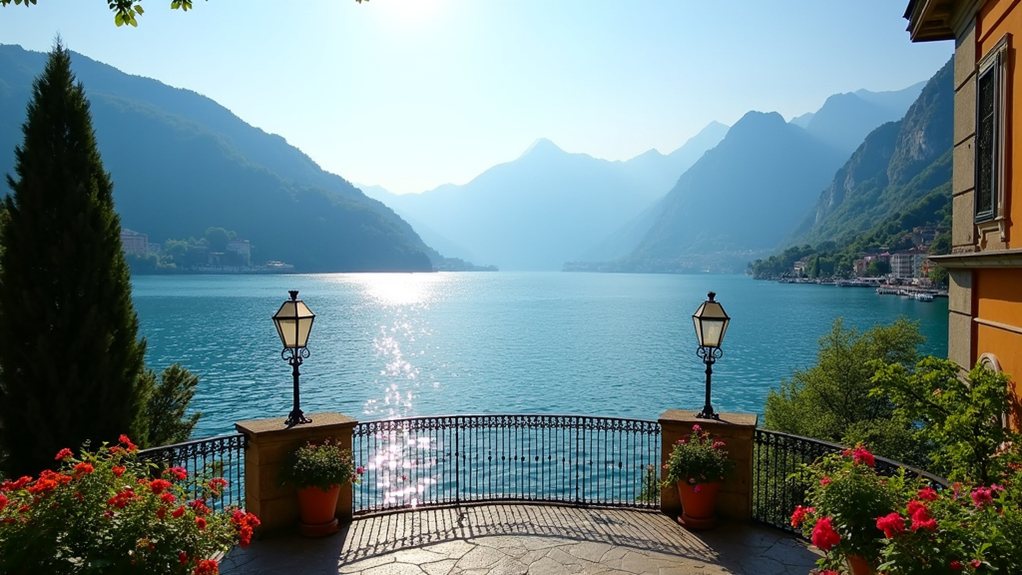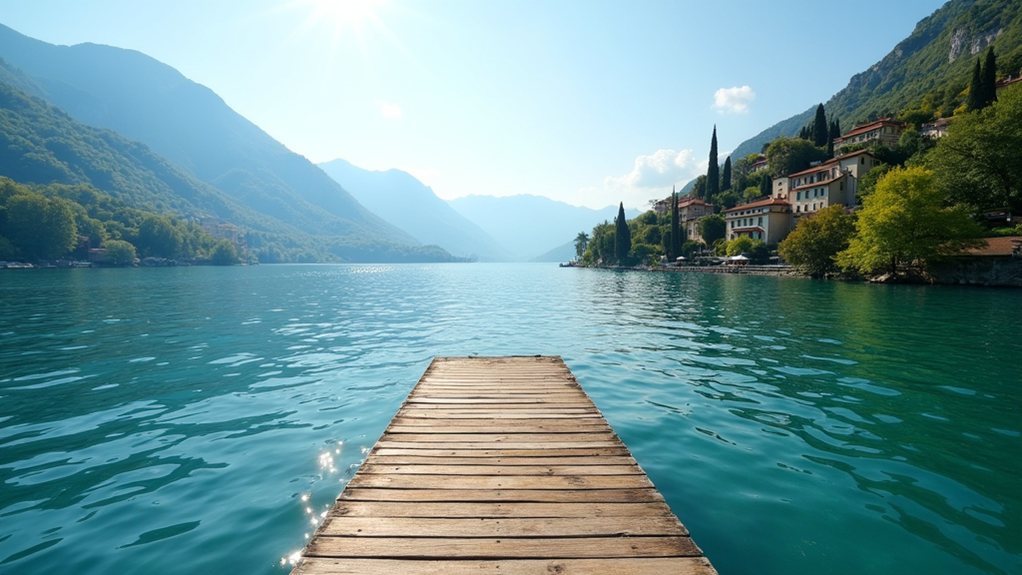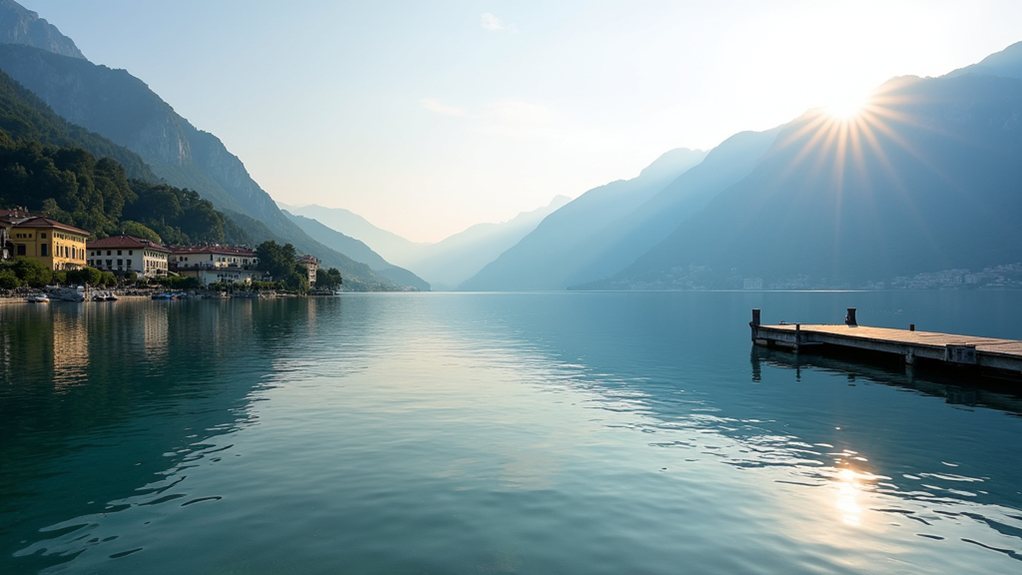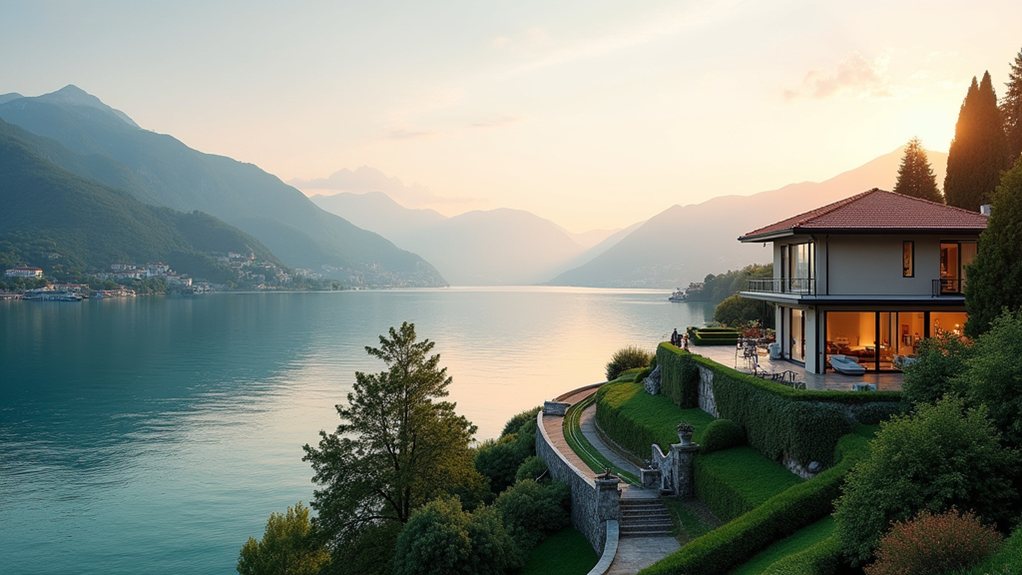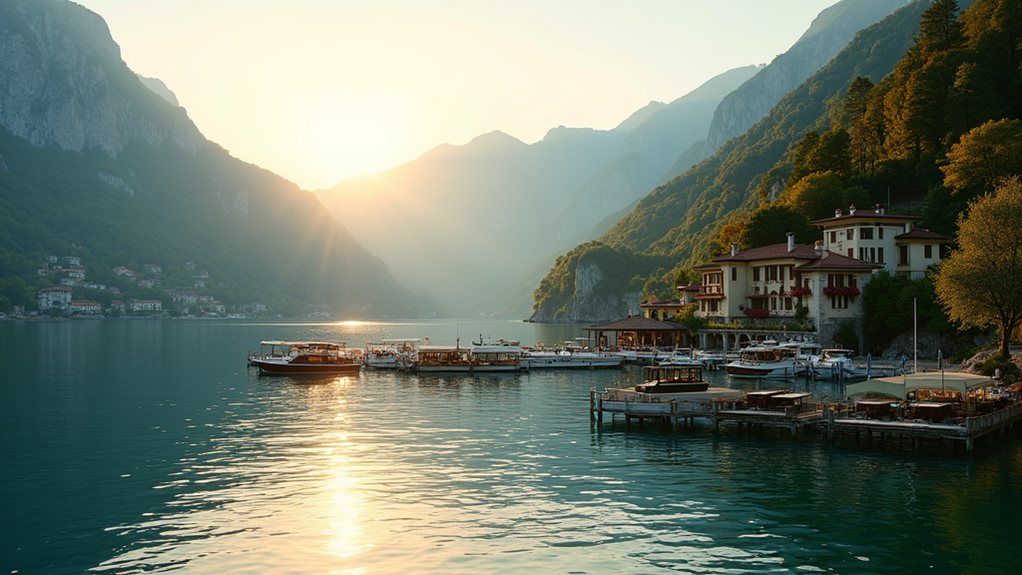
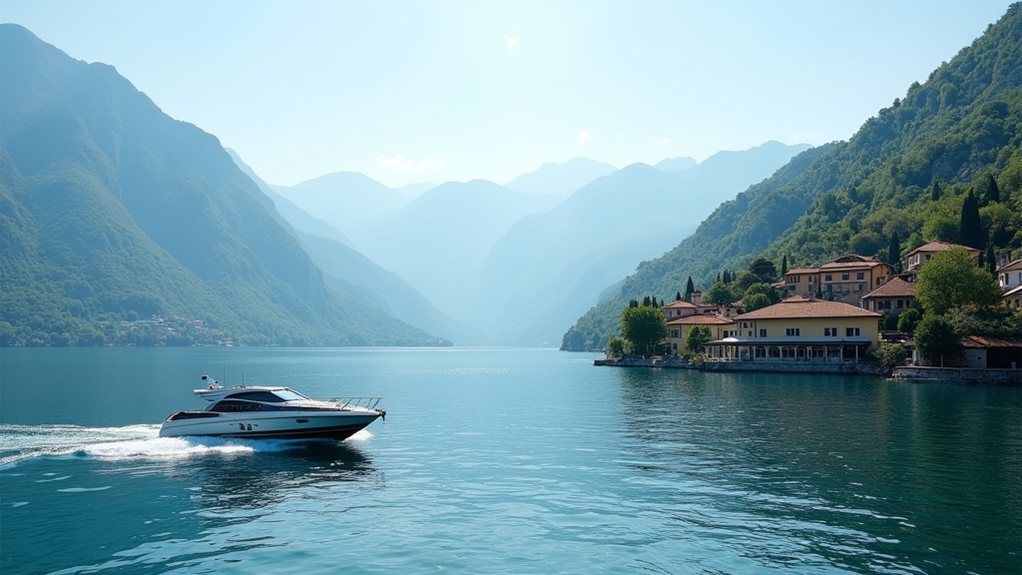
Although many dream of basking in the beauty of Lake Como year-round, property demand in this stunning Italian region follows a lively and ever-changing rhythm. Each year, as spring thaws the last hints of winter, Lake Como transforms into a magnet for travelers, especially from April through October. This is the season when the area buzzes with energy, and July and August stand out as the absolute peaks.
During these summer months, international visitors from the United States, United Kingdom, Germany, and Northern Europe flock to the lake, joined by business travelers from Milan who crave the scenic escape. Airbnb hosts see their calendars fill up, with July boasting the highest occupancy rates—around 60.3%—and monthly revenues soaring to an impressive $4,803. In prime spots right on the lake, occupancy easily surpasses 70%, turning summer into a landlord’s dream.
But the story changes as the weather cools. The colder months—January, February, and March—mark the softest tourism period. January, in particular, sees demand at its lowest, with occupancy dipping to 20.8% and revenue dropping to $1,334. Average daily rates adjust accordingly, settling around $204. For property owners, these months pose a unique challenge, as the dramatic drop from summer highs to winter lows makes cash-flow planning essential. Foreign buyers should focus on structural dynamics to navigate these seasonal shifts effectively.
Yet, it’s not all gloomy; winter brings its own type of guests. Remote workers, budget travelers, and those with flexible schedules replace luxury-seeking tourists, bringing a quieter but steady trickle of occupancy. Long-term ownership trends and limited supply contribute to market stability, helping keep overall property prices resilient even when rental demand dips in the off-season.
Seasonal swings impact not just revenue but also the general rental market. Median short-term rental revenue across Lake Como averages €40,000 yearly, with about 9,160 active listings performing at roughly 66% occupancy.
In prime lakeside towns like Tremezzina, Menaggio, Bellagio, and Cernobbio, demand is so strong that vacancy rates tighten, and new supply can barely keep up. Meanwhile, the city of Como itself is experiencing a steady growth in long-term rental demand, partly because short-term rentals are so popular.
Geographically, the central lake areas are more resilient, while northern Lake Como feels the seasonal fluctuations more acutely. Well-positioned properties with modern updates and good access hold their value, whereas less desirable northern assets may sit vacant longer during the off-season.
Notably, while prices in prime lakefront towns barely budge with the seasons, those in tourism-dependent pockets can swing noticeably. Here, timing is everything, and Lake Como’s weather patterns prove that even paradise follows a schedule.