
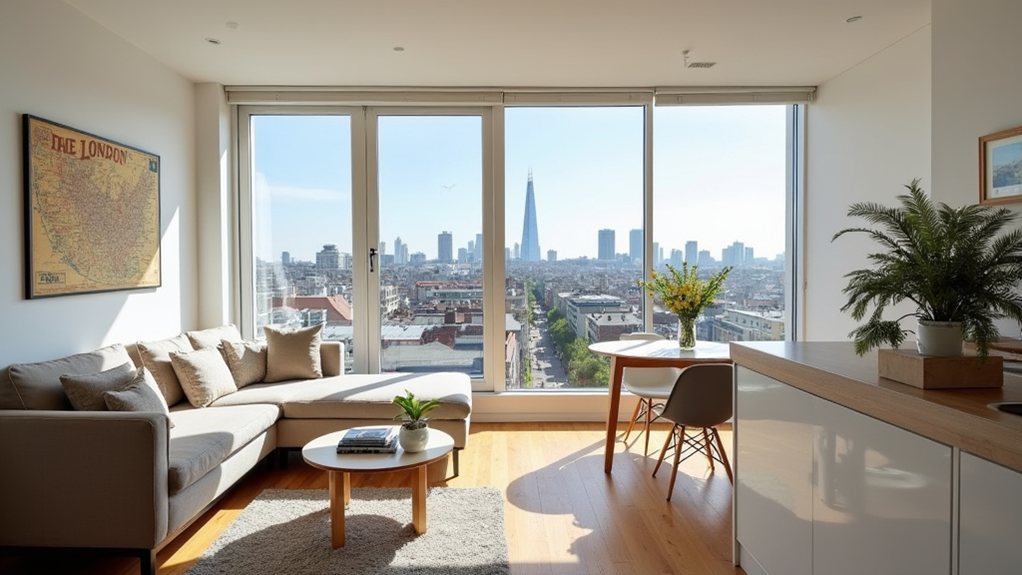
Even as the U.S. housing market returns to a more normal pace in 2026, second-home demand is proving to be surprisingly sturdy, almost like that one friend who always shows up to the party, rain or shine. Although the number of second-home mortgages is at its lowest since 2018, the segment stands firm, with buyer behavior adapting to new realities. About 86,600 mortgages for second homes were originated over the past year, which is just a slight 5% dip from the year before. This signals that after a sharp drop of 66% from pandemic highs, the second-home niche is stabilizing. In 2024, these mortgages made up less than 3% of all originations, but their presence in the market is both persistent and meaningful.
Second-home demand remains unexpectedly resilient, stabilizing after sharp declines and proving its staying power in a shifting housing market.
What’s fascinating is how second-home purchases have become a cornerstone in luxury real estate. In 2026, they account for nearly 28% of global luxury property transactions, highlighting just how important these homes are among affluent households. The luxury segment itself is buzzing, driven by a thirst for flexibility, recreation, and year-round living. Buyers are becoming more intentional, shifting from spur-of-the-moment buys to well-planned investments, putting financial discipline front and center. These homes are not just vacation escapes—they’re tools for asset diversification, especially valuable during times of market volatility. Many are also chosen as future retirement homes, ready to become a primary residence down the road. Affordability remains a significant obstacle in the housing market, making the relative resilience of second-home demand all the more notable.
The income-generating potential of second homes is another major draw. The vacation rentals market is booming, expected to soar from about $195 billion in 2026 to nearly $482 billion by 2034. U.S. short-term rental listings are on the rise, with rates inching up and occupancy staying high. This means second-home owners can count on strong rental income, with some markets seeing a monthly revenue premium of nearly $1,000 compared to traditional rentals. Such steady returns make these properties attractive for both personal use and investment.
Finally, second homes are benefiting from global appeal and shifting travel trends. Emerging luxury destinations offer natural beauty, lifestyle perks, and tax advantages, further fueling demand. As travelers seek new experiences and flexible living arrangements, second-home ownership continues to shine.
In a world where change is the only constant, the second-home market is proving it has staying power—no matter what the weather brings.