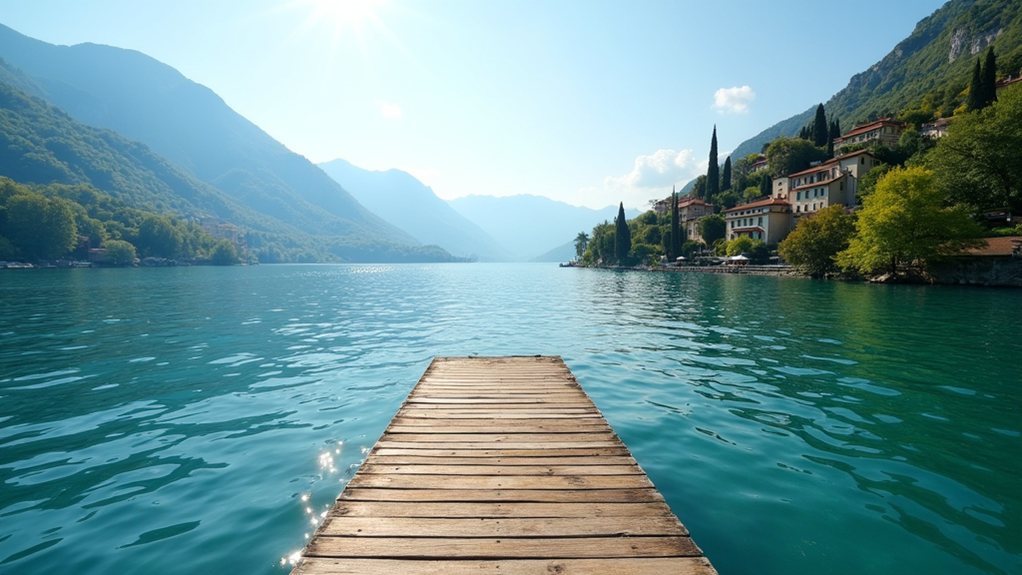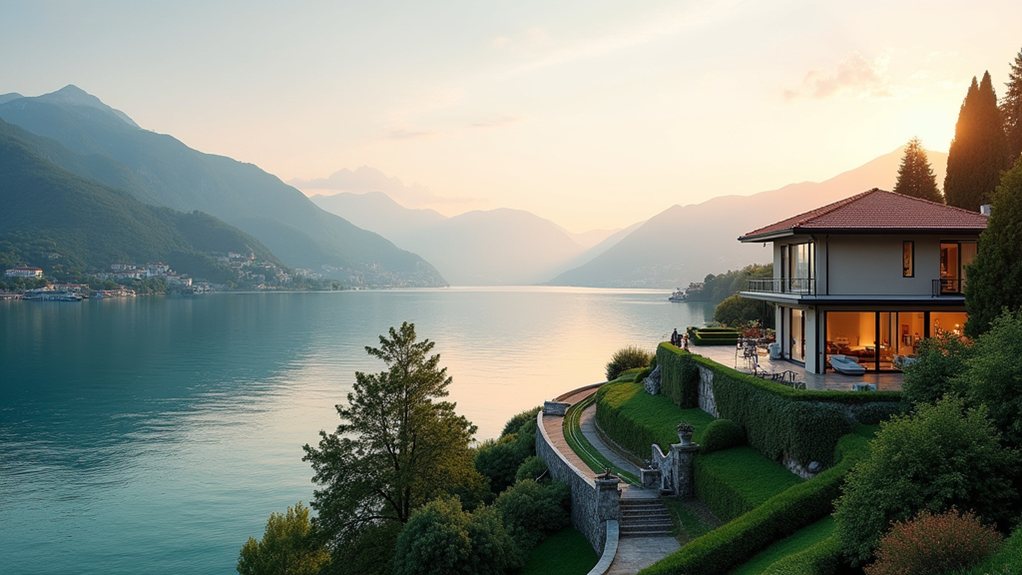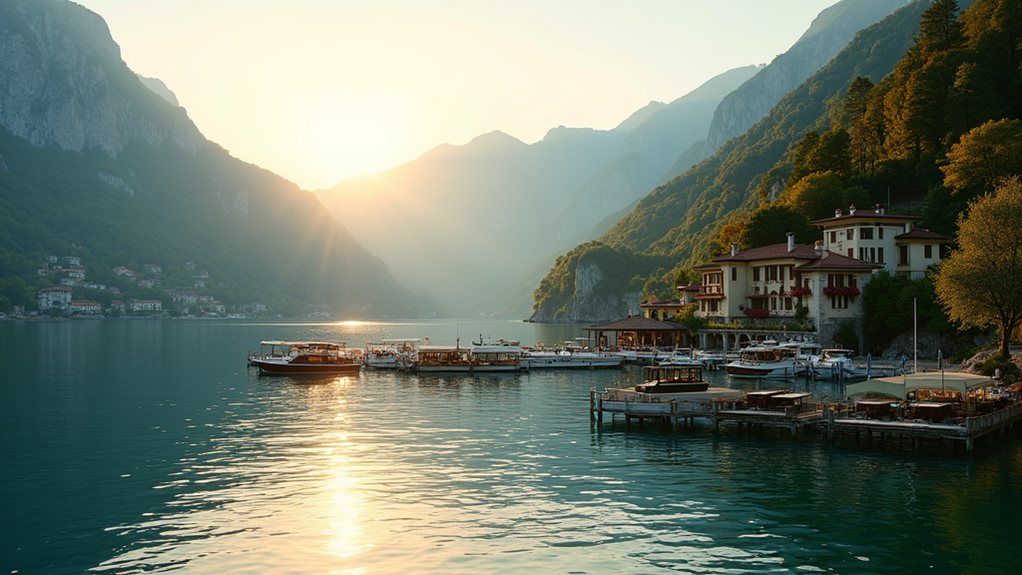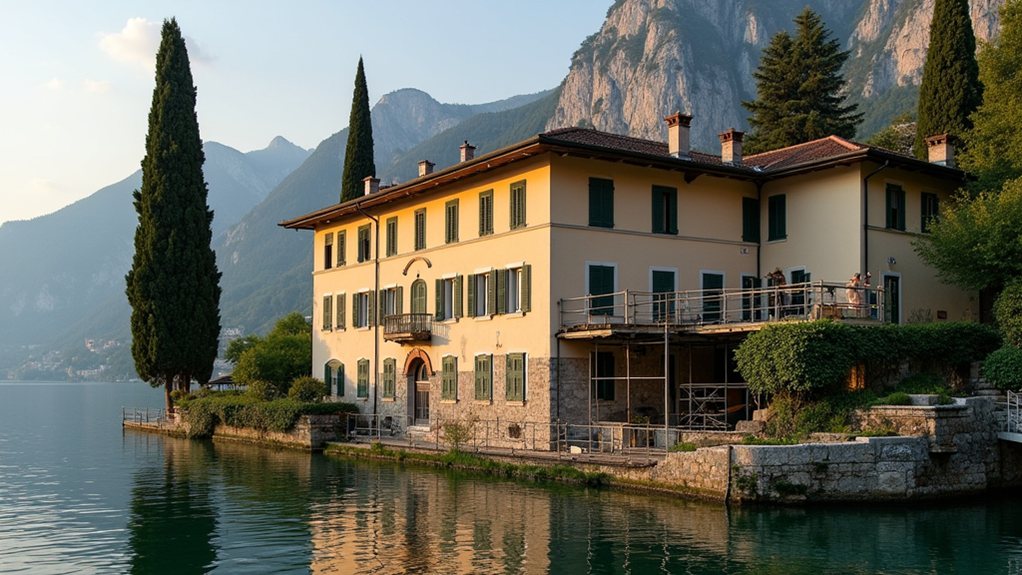
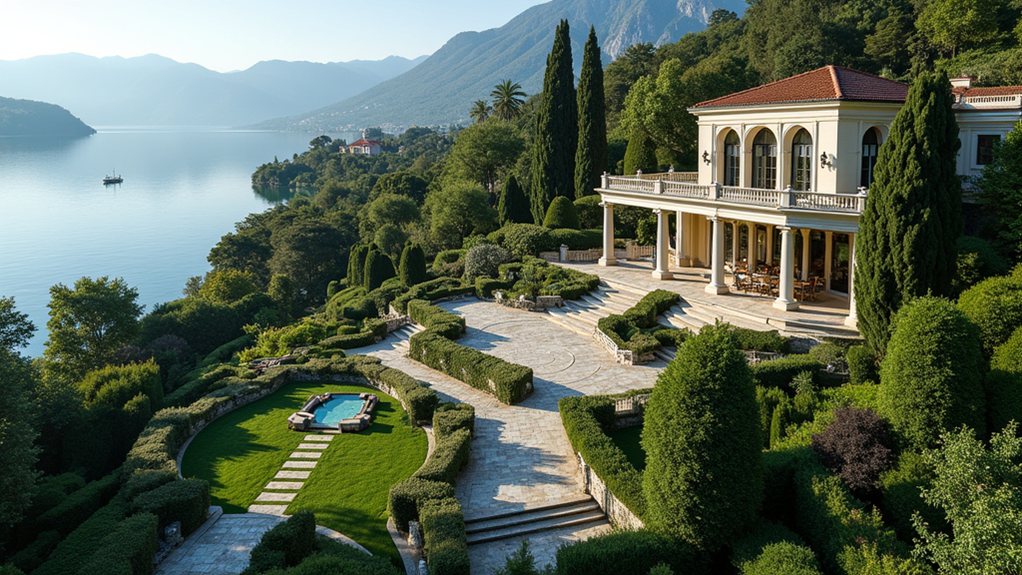
Although Lake Como is famous for its breathtaking scenery and celebrity villas, renovating property in this stunning region comes with its own unique set of rules and surprises. Anyone dreaming of updating a lakeside retreat should be prepared for a journey through Italy’s heritage protection maze—and maybe a few extra steps through ancient paperwork. The area is classified as a highly protected oasis, meaning the Soprintendenza, an official heritage office in Milan, keeps a watchful eye on all external renovations.
Renovating on Lake Como means navigating heritage rules and paperwork, with every update watched closely to preserve the region’s iconic charm.
If someone wants to update a villa’s façade or even swap out those picturesque green shutters, they’ll need to guarantee the changes fit perfectly with the lake’s historic character. The region’s central belt is especially packed with protected properties, so trying to sneak in a modern rooftop terrace might just earn a polite “no grazie” from the authorities. Additionally, limited supply due to geographic constraints complicates the renovation landscape further. This limited supply has led to a significant increase in average property prices across the region.
Before any tools come out, a project technician must check with the local municipality to see what’s allowed. After the municipality gives the green light, the plans head to the Soprintendenza in Milan. Their main job is to keep villages looking cohesive, so no neon paint or spaceship-inspired balconies will slip through.
Only after their approval can the work begin, and when the dust finally settles, an engineer or qualified technician must inspect everything before the project is officially complete.
Permits are another adventure. Ordinary maintenance inside—like painting or changing floors—usually doesn’t need a permit. But the minute someone touches a window or wants to adjust an external door, a CILA or SCIA declaration is required, even if it’s just for a cosmetic fix.
For bigger dreams like extensions or structural changes, a full building permit, called a “Permesso di Costruire,” is necessary. If the property is protected, every step requires extra authorization from the Soprintendenza, regardless of the permit type.
Renovation isn’t cheap, either. High-end finishes are the norm, with budgets ranging from €1,500 to €2,500 per square meter. Heritage restrictions are common on historic properties and can significantly affect what kinds of renovation are possible. Costs jump even higher in touristy areas, and simply connecting the electricity might take a year. Contractors must be experts—not only in renovations, but also in traversing Lake Como’s steep hillsides and tricky boat deliveries for waterfront projects.
There’s a silver lining: Italy’s House Renovation Bonus allows for a 50% tax deduction on eligible expenses, up to €96,000. Still, paperwork must be perfect, and not every property qualifies. With projects often taking six months to a year, patience and planning are essential for anyone hoping to give a Lake Como home a fresh new look.