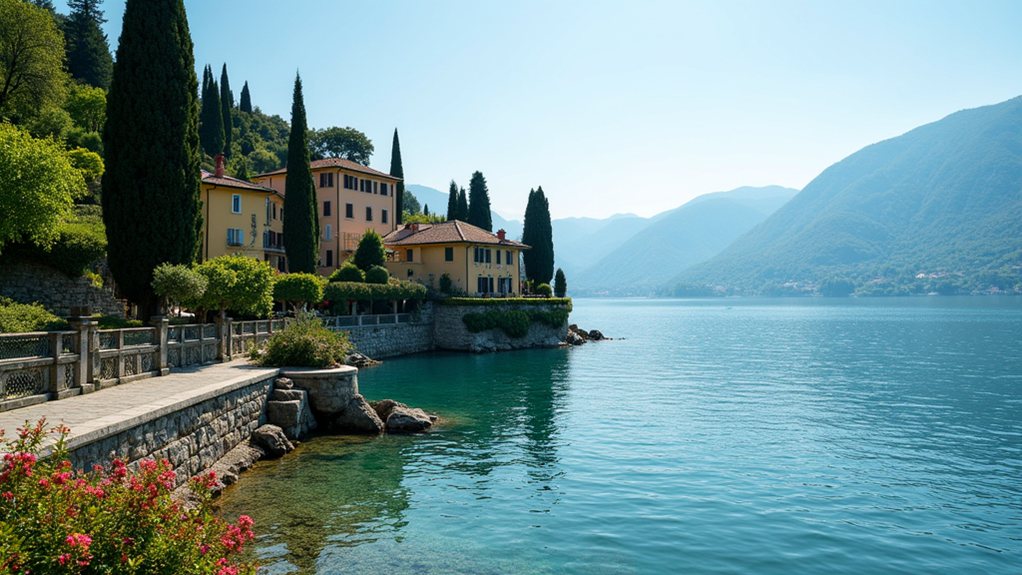

While many travelers in Italy are familiar with the small tourist taxes added to their hotel bills, few realize that Italy’s hotel sector also holds a treasure trove of potential tax incentives for property investors. When people check out of their charming Lake Como hotel, they might grumble about the €2 or €3 per night tourist tax, not realizing that the real financial magic happens behind the scenes for those who own or invest in these properties.
Beneath the surface of Italy’s tourist taxes lies a world of hidden tax incentives for savvy hotel investors.
Tourist taxes, sometimes called city taxes, are mandatory fees paid by guests and set by local governments to support community services and upkeep. The rates can range from just €0.50 to as much as €8 per person per night, depending on the location, the type of accommodation, and the number of stars that property boasts. These taxes are a well-known piece of the Italian hospitality puzzle, but they’re only one side of the financial story. In many Italian cities, city tax is not included in hotel rates and must be paid by guests upon departure, with exemptions and limits often determined by age or length of stay.
On the other side, property investors might wonder what’s in it for them beyond picturesque lakeside views and postcard-worthy sunsets. Although tourist taxes are widely discussed, the real draw for investors comes from the tax incentives that governments can offer to encourage new hotel developments or renovations. For example, the limited availability of high-end real estate ensures that investments in hotel properties can yield significant property value appreciation. Furthermore, investors who are aware of regulatory considerations can navigate the complexities of local policies more effectively.
These incentives—though not detailed in consumer-facing information—typically include things like tax credits for restoration work, deductions for capital investments, or even reduced tax rates for certain types of hotel properties. Imagine sprucing up an old villa and, thanks to a government program, getting a chunk of the renovation costs deducted from your taxes. Suddenly, that dreamy investment seems even sweeter.
However, those exploring Lake Como with visions of hotel ownership should know that information about such tax incentives isn’t always front and center. Unlike tourist taxes, which are posted on booking websites and receipts, investor-focused incentives are usually tucked away in business tax codes and government policy documents.
They require some digging—perhaps not with a shovel, but certainly with a sharp eye for regulations and a good advisor. It’s not the stuff of vacation brochures, but for the savvy investor, it’s a hidden advantage.