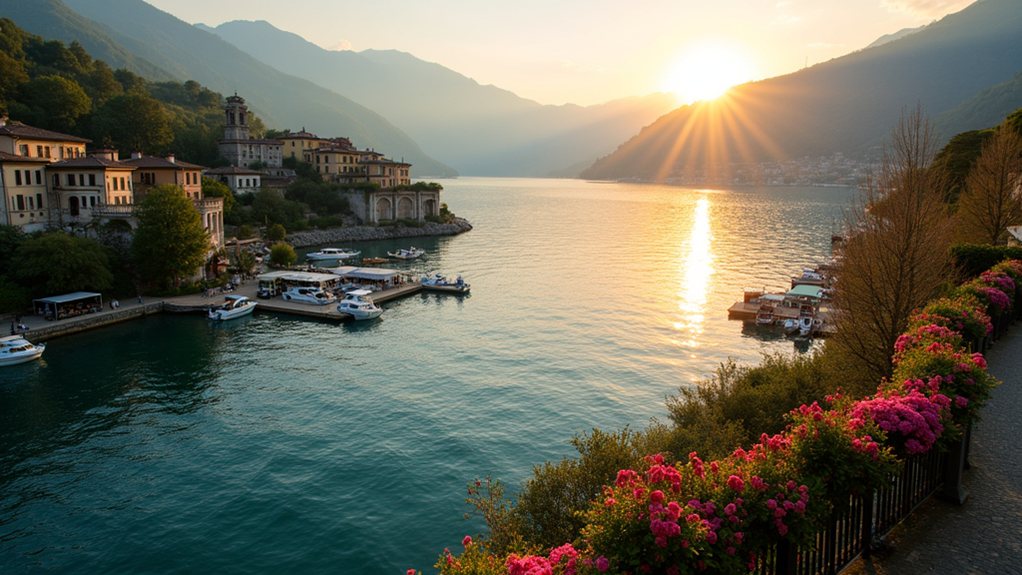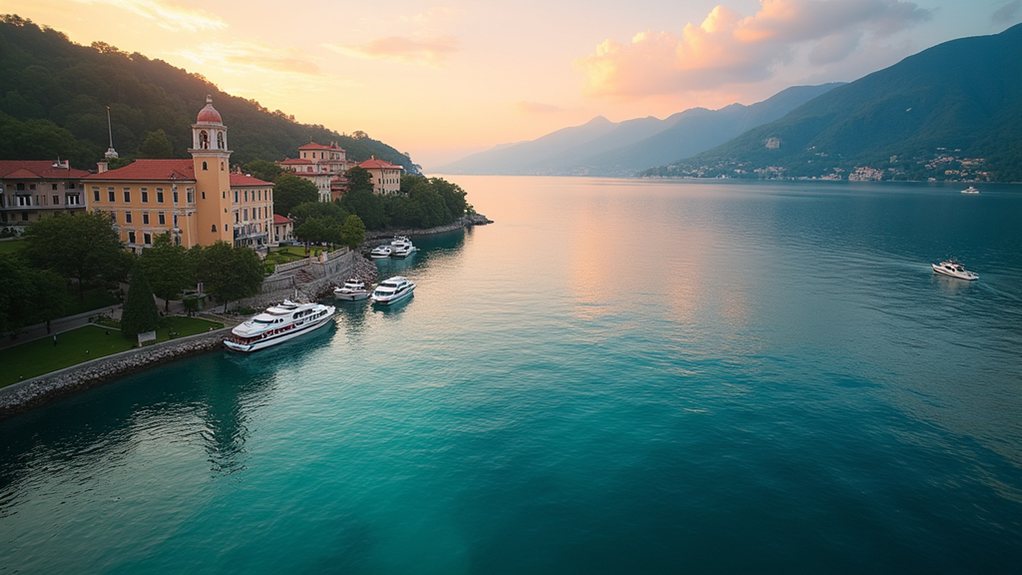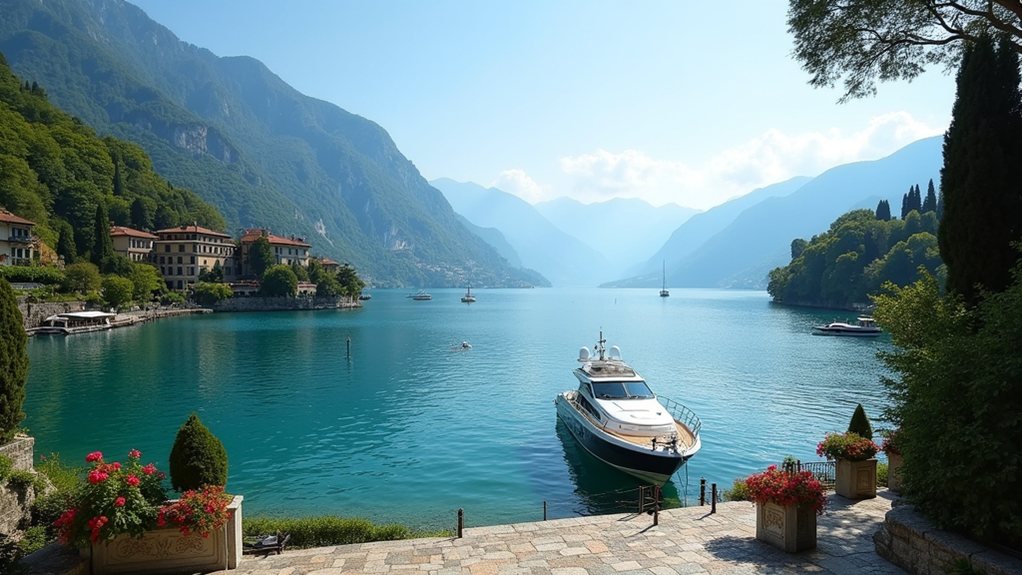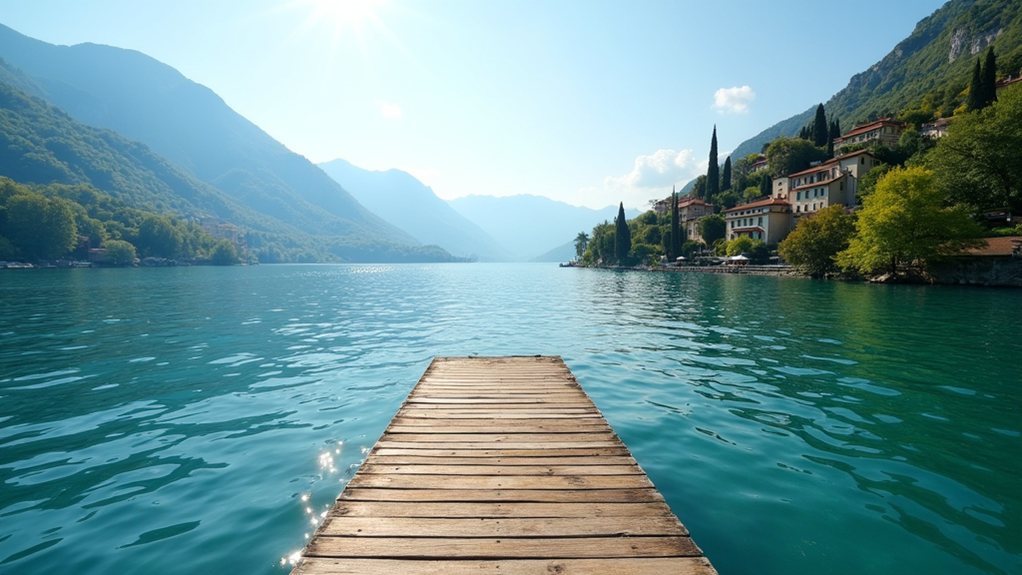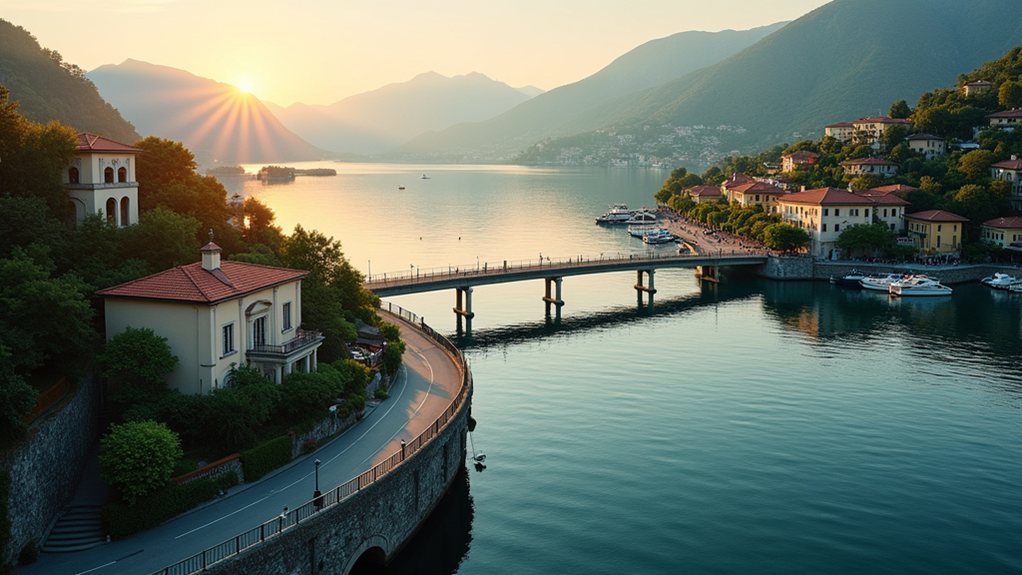
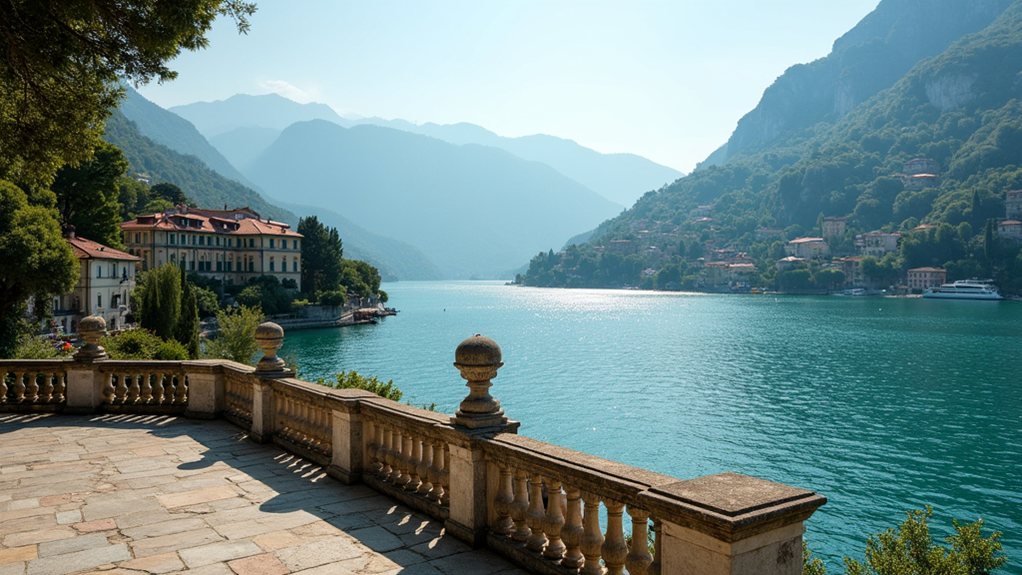
Although Lake Como is famous for its breathtaking scenery and charming villages, getting around this beautiful area can be an adventure all its own. The western branch, dotted with postcard-perfect towns like Tremezzo and Menaggio, is defined by its ancient Regina road. This winding lakeside artery has carried travelers for centuries, threading through a string of lively settlements.
However, as anyone who’s been caught in summer traffic knows, the Regina road struggles with chronic congestion, especially when holiday crowds descend. The narrow bends and bottlenecks make local mobility both challenging and, at times, surprisingly thrilling—if you enjoy a little suspense with your sightseeing. Recognized for its stunning lake views, the area draws visitors year-round, amplifying both the road’s popularity and the occasional traffic jams. The limited geographic constraints of the area further exacerbate these traffic issues, as new routes are hard to establish.
Regina road’s narrow bends and summer crowds turn every lakeside drive into a suspenseful—and sometimes exasperating—adventure.
To address these issues, a major project called the Variante Tremezzina is in the works. This new alignment, stretching about 9.8 kilometers with most of it in tunnels, is designed to divert traffic away from the busy lakeside villages. By bypassing the most congested sections between Argegno–Colonno and Griante–Menaggio, the Variante Tremezzina promises not only smoother travel but also quieter streets for residents and visitors alike.
Although it comes with a hefty price tag of €390 million and won’t open until around 2028 or 2029, the anticipation is high. For now, heavy vehicles face seasonal restrictions to ease congestion, especially during the busiest months.
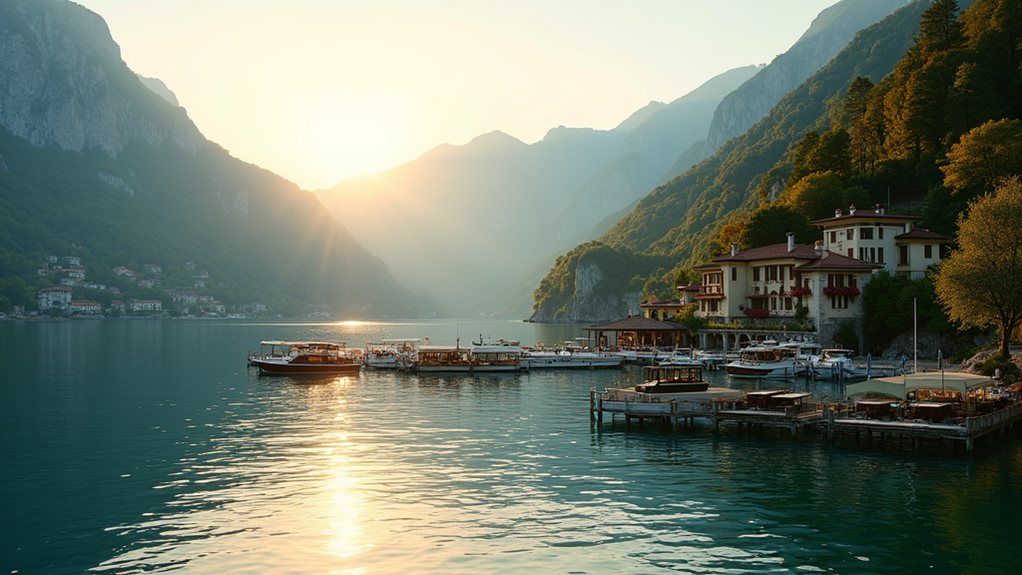
While the road network on the western shore has its challenges, the public boat service offers a delightful alternative. Ferries and boats crisscross the lake, connecting towns and giving people a break from crowded roads. For many, hopping on a boat is not just practical but a highlight of the Lake Como experience.
Since the western branch lacks rail infrastructure, buses and boats form the backbone of the transport framework, encouraging travelers to embrace multimodal itineraries. Local guides often recommend clever combinations—like bus plus boat—to reach even the most tucked-away villages.
On the eastern shore, rail infrastructure improves accessibility, with towns like Lecco and Varenna linked by train. These stations act as key gateways, making it easier for travelers to transfer to boats or buses and access their final destinations.
Altogether, the blend of roads, railways, and water transport shapes the way people move around Lake Como. And, as a bonus, areas with better accessibility and less congestion often see higher property values, as everyone wants a piece of paradise that’s easy to enjoy and reach—without getting stuck in traffic.