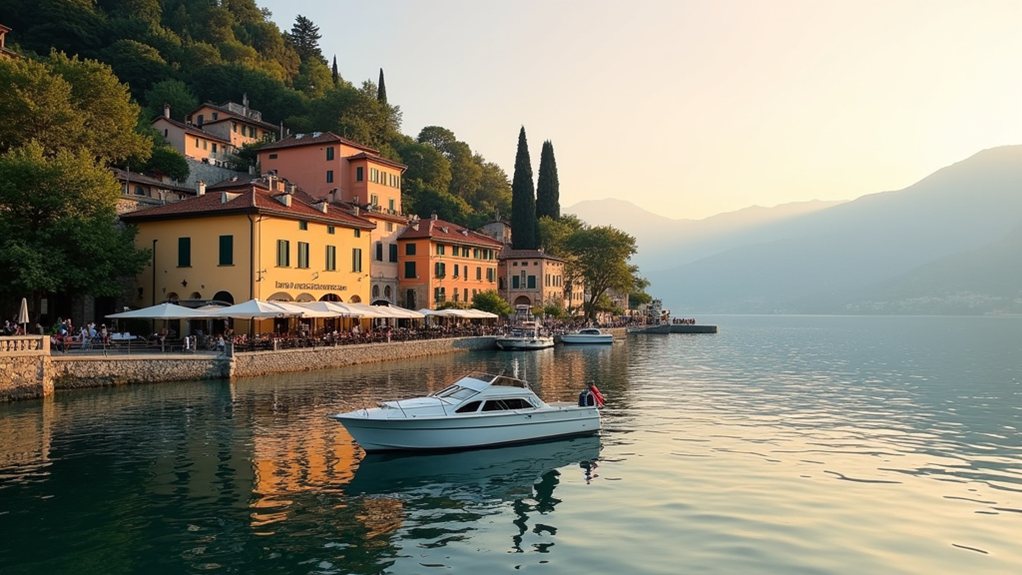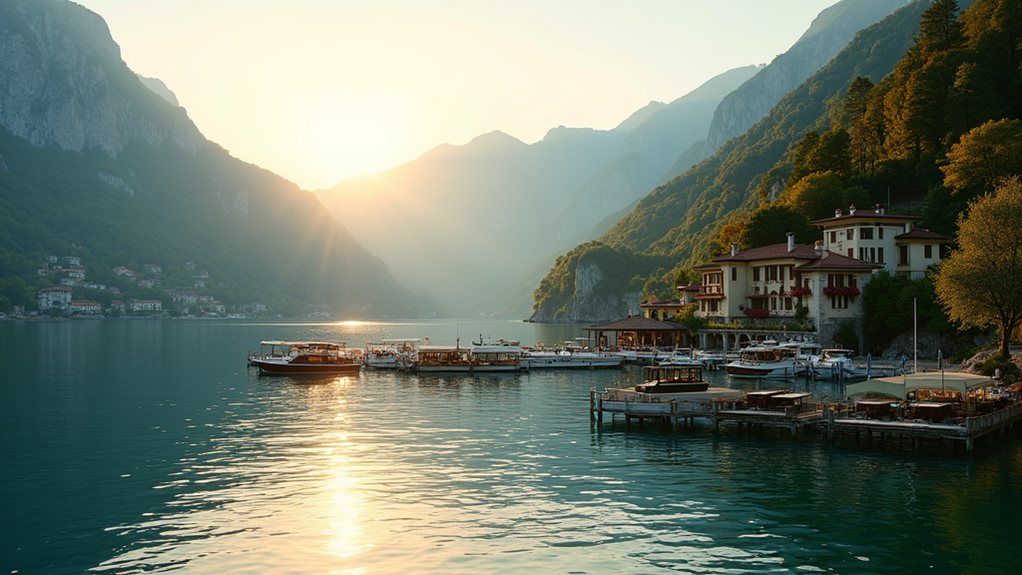
Sparkling waters and dramatic mountains make Lake Como one of Italy’s most famous destinations, drawing visitors from around the globe enthusiastic to experience its breathtaking scenery and elegant towns. Over the past few years, Lake Como has witnessed remarkable tourism growth, transforming from a tranquil retreat into a bustling hub for travelers seeking both relaxation and adventure.
The area’s popularity has soared, with Lombardy recording around 51 million visits in 2023, and Lake Como itself welcoming about 4.8 million overnight guests—one million more than just four years prior. Day visits have surged too, nearly doubling since 2014, as curious explorers arrive for quick but memorable experiences.
This explosion of interest in Lake Como, while exciting for the tourism industry, brings environmental risks and infrastructure pressure that are hard to ignore. Narrow lakeside roads, scenic but not designed for traffic jams, have become choke points during peak seasons. Overcrowded buses and boats are now a regular sight, often leaving eager visitors waiting for the next available ride. The increased presence of younger travelers has also begun to reshape the area’s tourism patterns, as social media attention and celebrity visits encourage a new generation to seek out Lake Como’s blend of relaxation and adventure. The region’s appeal is enhanced by its luxury accommodations, which provide exclusive experiences that cater to affluent travelers.
Overtourism is not just a buzzword here—it’s a reality, with high numbers of day visits intensifying congestion and complicating waste management, while also affecting the peaceful character cherished by local communities.
Overtourism is a daily reality at Lake Como, straining local infrastructure and threatening the tranquility that defines its lakeside communities.
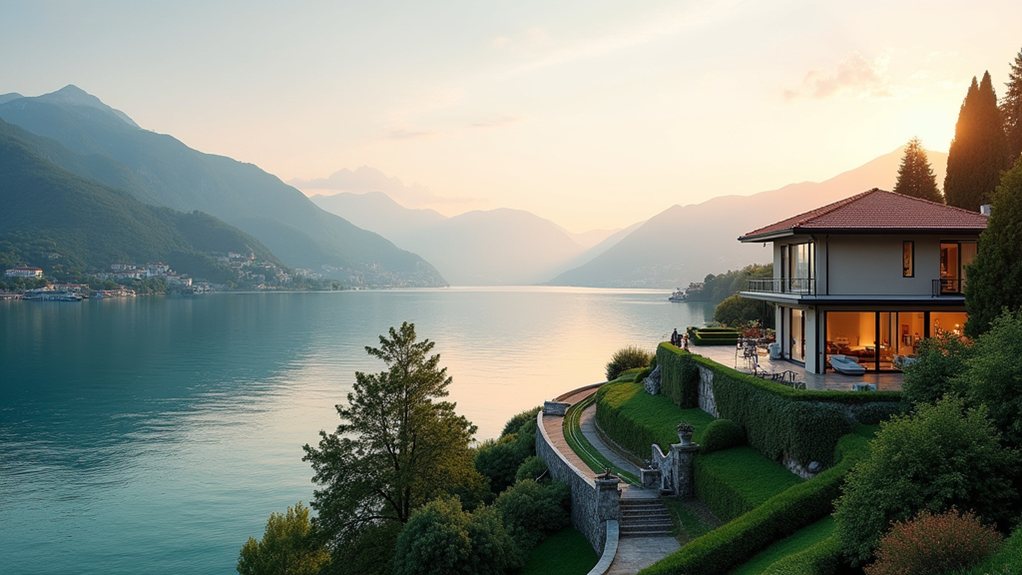
As Lake Como’s fame grows, so does the luxury real estate market. Upscale villas, glamorous rentals, and new developments are popping up to meet demand from international buyers and travelers longing for a taste of Italian elegance. While this creates jobs and investment opportunities, it also places additional strain on housing availability and affordability for residents, sometimes making it harder for locals to remain in their own neighborhoods.
Climate change adds another layer of complexity. Winters and summers are becoming warmer, with record-breaking temperatures and more frequent heatwaves. Meanwhile, erratic weather patterns bring sudden storms, flooding, and even hail, which can damage both natural landscapes and manmade infrastructure.
The lake itself is feeling the impact—lower water levels and increased erosion threaten biodiversity and risk exposing fish eggs in shallow waters, making life harder for species like the agone.
Yet, amidst these challenges, Lake Como continues to attract travelers seeking more than just postcard-perfect views. Experiential tourism is on the rise, with visitors staying longer and engaging more deeply with local culture, food, and traditions.
Balancing these opportunities and risks will be key to preserving Lake Como’s magic for future generations, ensuring its sparkling waters remain a beacon for all who come to experience its beauty.