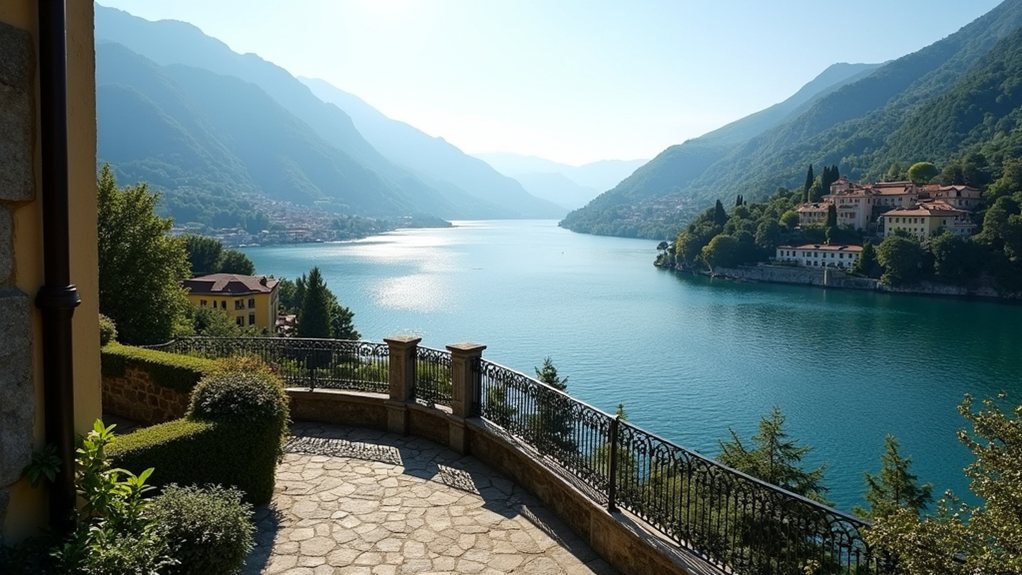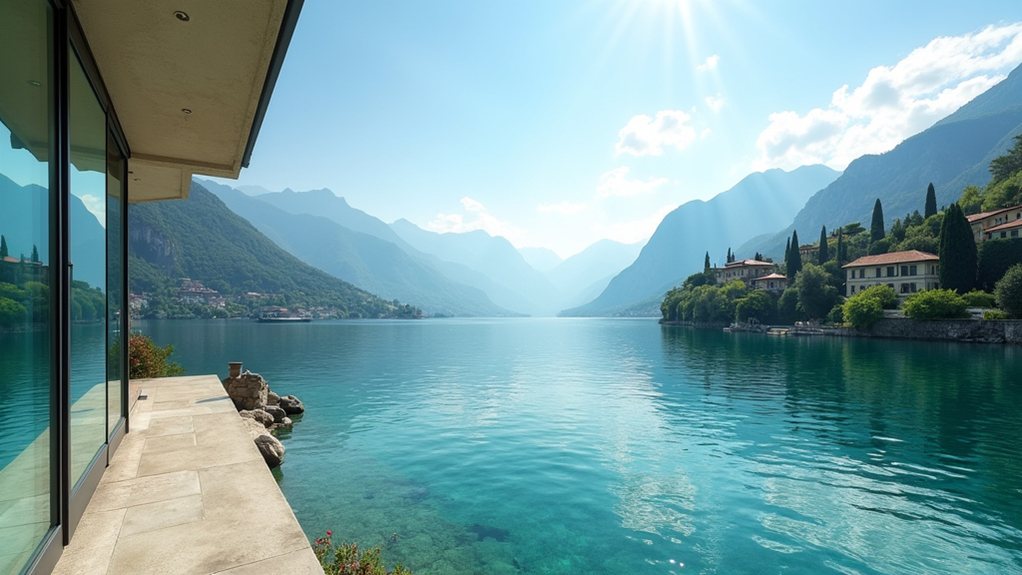
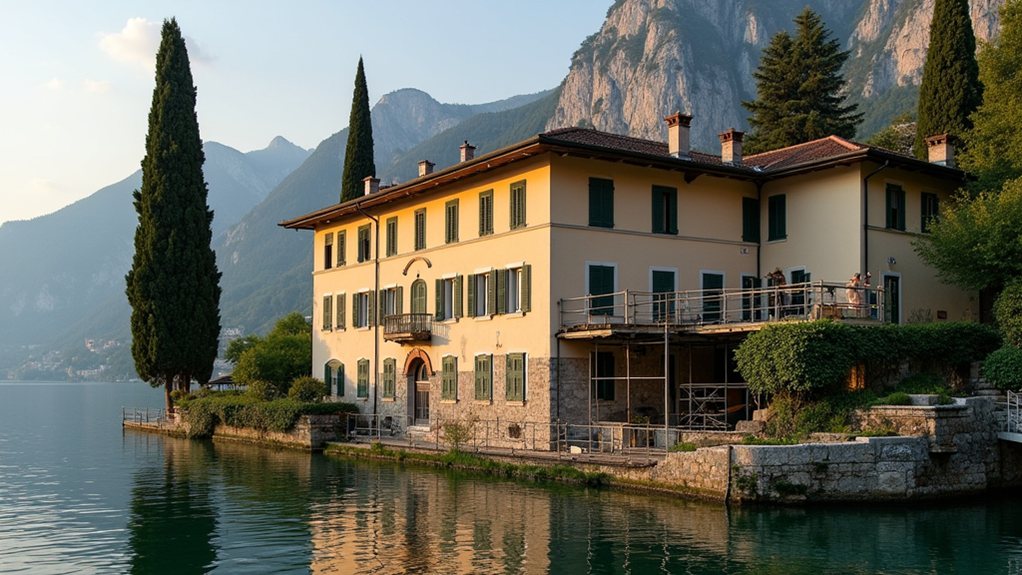
How do rules meant to stop money laundering shape the world of luxury homes by Lake Como? Imagine a place where sparkling waters meet grand villas and celebrities stroll the cobblestone streets. Buying a home in such a paradise is a dream for many, but when anti-money laundering regulations step onto the scene, that dream comes with extra paperwork, checks, and—yes—higher costs.
These rules, designed to keep criminal money out of the real estate market, add layers of scrutiny to every transaction, making sure that buyers are who they say they are and that their cash comes from clean sources. In the United States, for example, national reporting requirements have recently been proposed to make property transactions even more transparent, requiring detailed documentation and identification for all non-financed residential real estate deals.
Layers of scrutiny ensure buyers are genuine and their money is clean, keeping luxury real estate safe from criminal cash.
In Europe, and especially in Italy, anti-money laundering (AML) rules are not just suggestions—they are the law. Real estate agents, notaries, and banks must all play detective, asking for detailed information about buyers and the origins of their funds. Notably, the high rental income potential in the area may attract buyers who are keen to navigate these regulations. Additionally, the limited availability of high-end real estate can create a competitive market that complicates compliance.
For example, someone hoping to buy a Lake Como villa must provide identification, bank statements, and even explain where their wealth comes from. This isn’t just a quick form; it’s a process that can add days or even weeks to the timeline. The aim is noble—stopping criminals from “washing” dirty money through expensive homes—but for regular buyers, it means extra steps and sometimes, extra stress.
These regulations aren’t free, either. Every background check, legal review, and document verification comes with a price tag. Real estate agencies must invest in compliance software and training, notaries increase their fees, and banks charge more for their due diligence.
All these costs trickle down to the buyer, making Lake Como’s already pricey homes even more expensive. It’s like adding a designer label to your closing costs—unexpected, but suddenly very real.
While stricter rules can make things safer, they also have some curious side effects. Sellers might find fewer foreign buyers willing to jump through all the hoops, and some deals fall apart when buyers can’t provide the right documents.
Yet, these inconveniences serve a bigger purpose: keeping the market honest and protecting the reputation of Lake Como as a safe place to invest. After all, nobody wants their neighbors to be international criminals.
In the end, anti-money laundering rules increase transaction costs and complexity, but they also build trust in the Lake Como property market. Buyers might grumble about the extra effort, but most would agree that a little extra paperwork is a fair price to pay for peace of mind—and a front-row seat to one of the world’s most beautiful lakes.