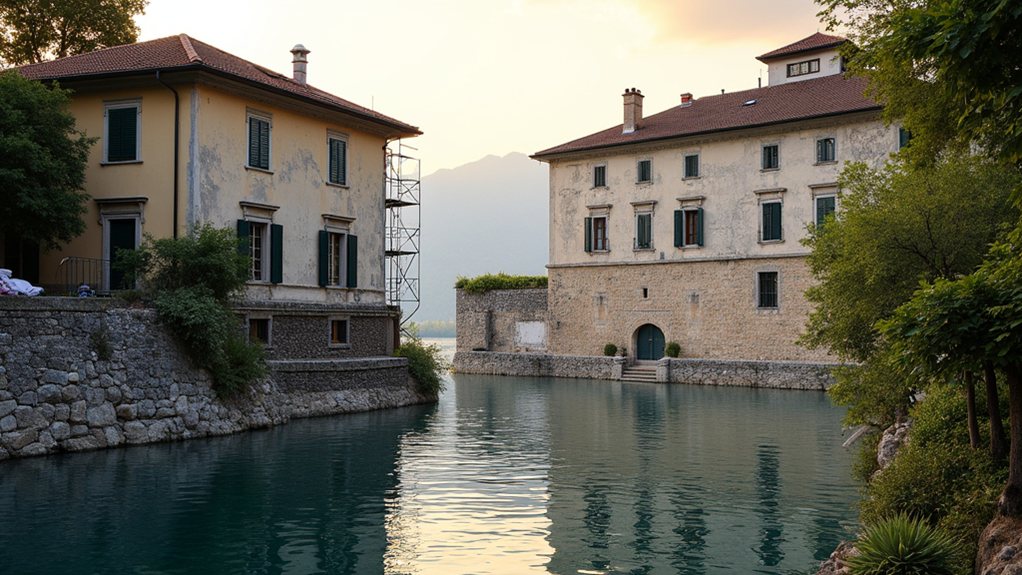
Although the sparkling waters and charming villas of Lake Como attract property buyers from all over the world, anyone dreaming of a stylish Italian renovation faces a unique set of challenges in this picturesque region. The appeal of transforming a historic villa or rustic stone farmhouse is undeniable—imagine sipping espresso while gazing at the Alps from your elegantly restored terrace!
But before unpacking the paintbrushes, new owners quickly discover that Lake Como’s strict heritage and landscape protection rules can turn even the most enthusiastic renovator into an expert in Italian bureaucracy.
For starters, many historic properties near the lake are protected by heritage conservation laws. These rules are not just suggestions; they strictly limit what changes can be made, especially if the property sits right on the water. Even repainting shutters or replacing old roof tiles may require special approvals, all in the name of preserving the lake’s postcard-perfect views.
Changing even a shutter color or roof tile near Lake Como often requires approval, all to protect those famous lakeside views.
If an owner tries to sneak in a new balcony or modern patio without permission, they might face demolition orders—sometimes even before the ink on the sales contract is dry. In these protected zones, standard renovation shortcuts simply don’t work, and the added hoops mean higher costs and longer timelines.
Local zoning and land use restrictions add even more layers. Every property falls under the Piano di Governo del Territorio (PGT), the local planning document that decides what kind of work is allowed. Owners must check their property’s zoning classification in the Certificato di Destinazione Urbanistica (CDU) before making plans, as these documents often block the conversion of old barns or farmhouses into trendy vacation rentals.
If a previous owner made unauthorized changes, buyers could find themselves stuck with legal headaches and expensive fixes before they can resell.
Even if a renovation is approved, those hoping to profit from short-term rentals face their own hurdles. As of 2024, every property listed on rental platforms must have a national CIN code, and owners are required to report guest details to the police within 24 hours—no easy task for someone managing their villa from another country.
These requirements, along with local restrictions, have made remote management and quick rental conversions much harder.
On top of regulatory obstacles, updates to Italy’s tax incentive framework have reduced the once-lucrative renovation bonuses. While some deductions remain, limits on eligible spending and a scaled-back Superbonus scheme mean buyers now get less financial support. For example, the current tax deduction rates for renovation and energy efficiency works are set at 50% for primary residences and 36% for other properties until December 31, 2026, with strict ceilings on deductible amounts.]
All these rules combine to slow down new supply in Lake Como’s property market, making successful renovations a true labor of love—and paperwork.