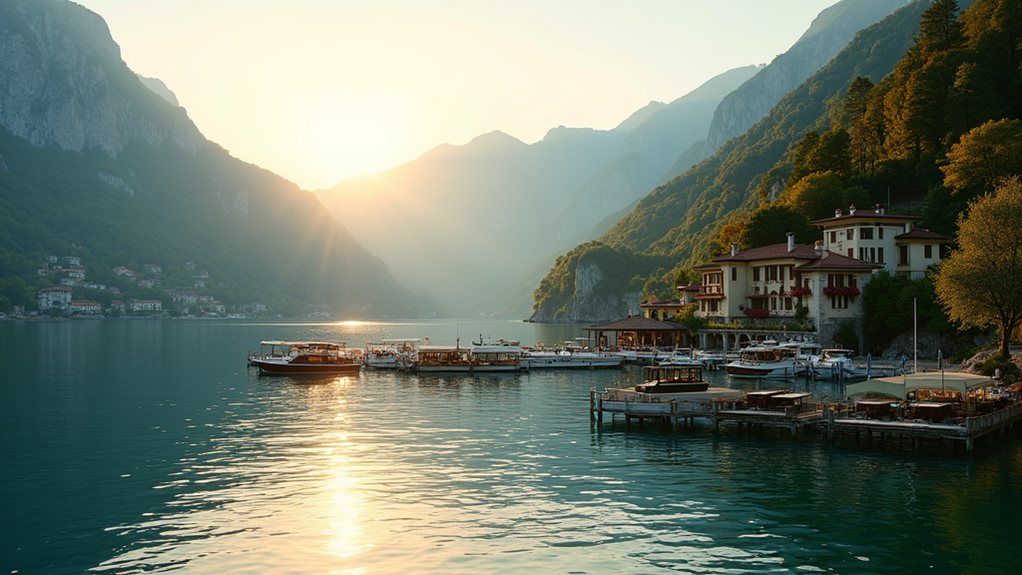
Although Italy is famous for its ancient ruins and delicious gelato, it is now gaining attention for something a bit more modern: the rapid expansion of Airbnb and other short-term rental platforms across the country. This change is happening at a pace that is outstripping not only neighboring France but also much of northern Europe. Italy now boasts more than 250,000 active short-term rental listings, a figure that highlights double-digit growth compared to pre-pandemic times.
Airbnb, in particular, has become the main way many international travelers find everything from cozy city apartments to sprawling farmhouses and dreamy villas.
Airbnb is now the go-to platform for discovering Italy’s charming apartments, rustic farmhouses, and breathtaking villas.
The impact of these platforms is especially clear in Italy’s major cities. Rome and Milan have emerged as some of the best-performing urban destinations worldwide, with demand and bookings soaring. Rome alone features over 28,000 active listings, maintaining an impressive 77% occupancy rate and bringing in a median annual revenue of €42,000 for hosts.
Venice, beloved for its canals, holds almost 7,000 properties, with an average daily rate of $246.20. Even cities like Naples and Florence are drawing visitors enthusiastic to experience authentic Italian culture, architecture, and cuisine.
Yet, the excitement is not limited to the largest cities. Secondary cities and regional hubs like Turin, Bologna, Palermo, and Verona are seeing the fastest proportional rises in listings and occupancy rates. For example, Bologna’s hosts enjoy nearly 50% occupancy and strong average daily rates, while Palermo’s sunny climate and historic charm keep travelers coming back.
Smaller art cities and rural areas are also catching the wave, as visitors seek vineyards, medieval villages, and scenic coastlines, especially in regions like Tuscany, Puglia, and Piedmont. [Italy is currently recognized as the fastest-growing short-term rental market in Europe, with growth rates surpassing those of France and northern Europe.]
What makes Italy’s short-term rental growth unique is its geographic diversity. Unlike some northern European countries that rely mostly on their capital cities, Italy’s rural and coastal areas are seeing just as much action. These regions offer better value for longer stays and attract remote workers and families looking for something beyond a city break.
The economic effects are hard to ignore. Italy’s Airbnb market generated an estimated €19.7 billion in economic value, supporting countless jobs in hospitality, cleaning, and local businesses. Visitor spending is spreading to neighborhood restaurants and shops, not just traditional tourist hotspots.
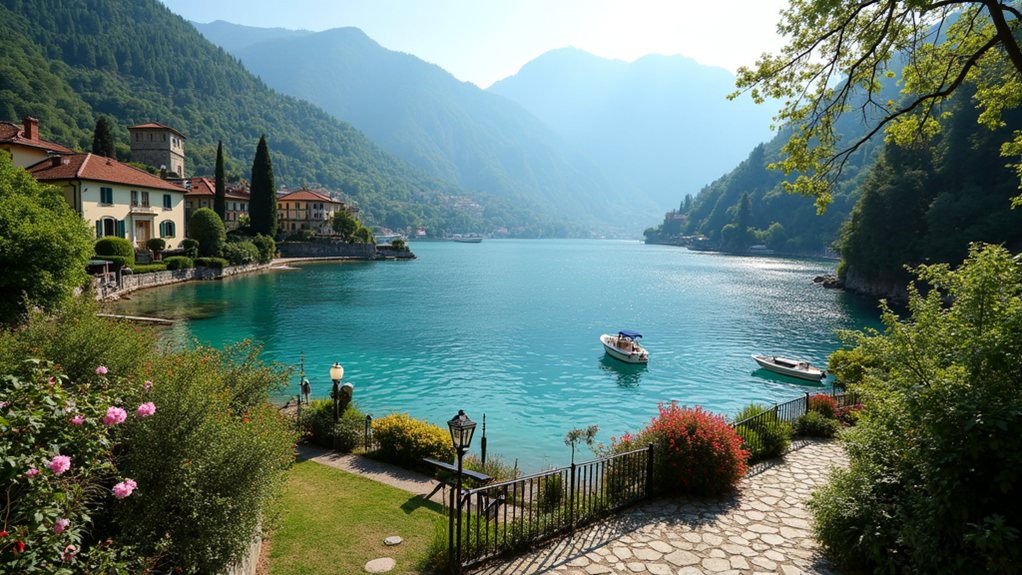
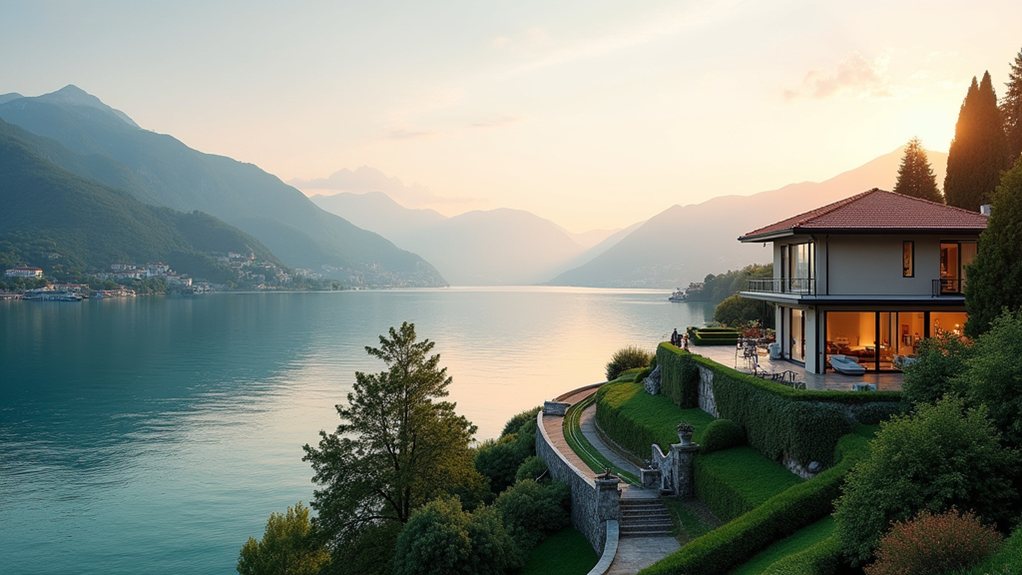
With more affordable options and flexible stays, Italy is opening its doors wider than ever, making its lakes, cities, and countryside irresistible to a new generation of travelers and property investors—especially in dreamy spots like Lake Como.