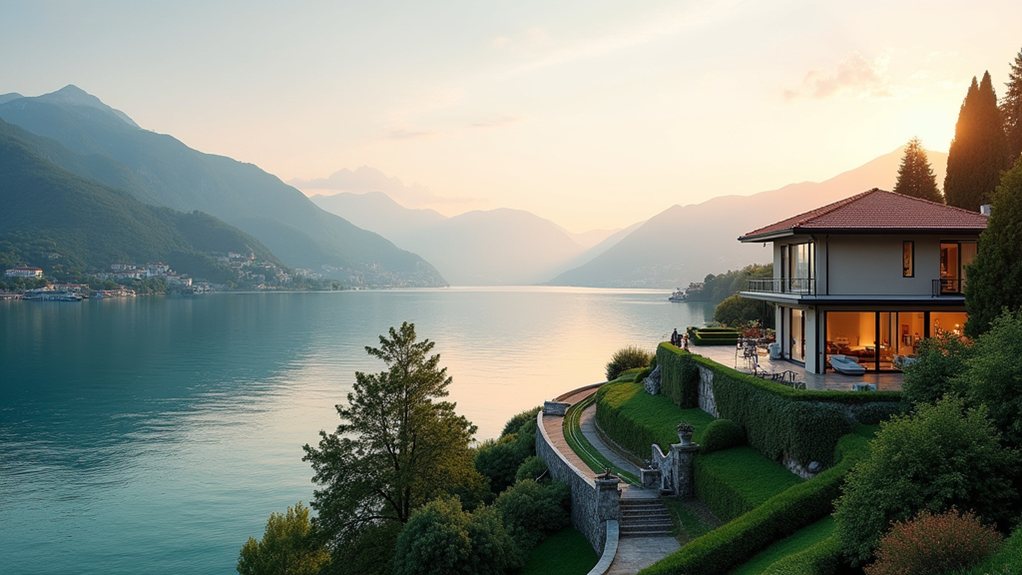
While Italy is famous for its ancient architecture and charming old villas, a fresh wave of housing innovation is quietly reshaping the landscape through prefabricated two-family homes. These homes, produced in factories and assembled on-site, are becoming more popular as Italy faces rising real estate prices, changing regional demands, and greater environmental awareness.
In 2024, Italy’s manufactured homes market is valued at $458.6 million, but industry experts predict it will soar to $742.3 million by 2032. Some market sources even estimate values exceeding $2 billion, with yearly growth rates above 5%. Clearly, these “homes on the move” are not just a fleeting trend.
The reasons behind this enthusiasm are practical as much as innovative. Prefabricated two-family homes in Northern Italy cost 20% to 30% less than traditional buildings, which is quite a bargain, especially with property prices jumping by 6.3% in 2023. The cost per square meter can range wildly—over €3,000 in Trentino Alto Adige, while Calabria offers options as low as €920. Not surprisingly, government subsidies aimed at first-time buyers have spurred a 60% increase in manufactured home sales over the last five years.
Prefabricated two-family homes in Northern Italy cost up to 30% less, with government support fueling a 60% sales surge in five years.
Demand paints an interesting picture across Italy. Southern regions saw a 72% jump in modular home interest between 2016 and 2023. Meanwhile, industrial strongholds in Lombardy and Veneto are seeing more building permits for these housing solutions, thanks in part to the needs of young families and workers seeking affordable, energy-efficient living. The market is fragmented, with numerous local and regional players including companies such as RI Group, PREFAB Srl, and MB Modular Buildings contributing to the growing availability and diversity of these homes.
Milan’s growing population, expected to rise by 8% by 2030, fuels the push for quick and eco-friendly construction.
Italy’s commitment to the environment is front and center. Modular homes often boast 40% higher energy ratings than their traditional counterparts, with features like solar panels, thick insulation, and recyclable materials.
Massive government support, including incentive programs and billions earmarked for sustainable housing, guarantees these homes are more than just a fad. They are rapidly becoming a smart, attractive solution for families keen to live affordably, sustainably, and comfortably, all while adding a touch of modern flair to the Italian landscape.