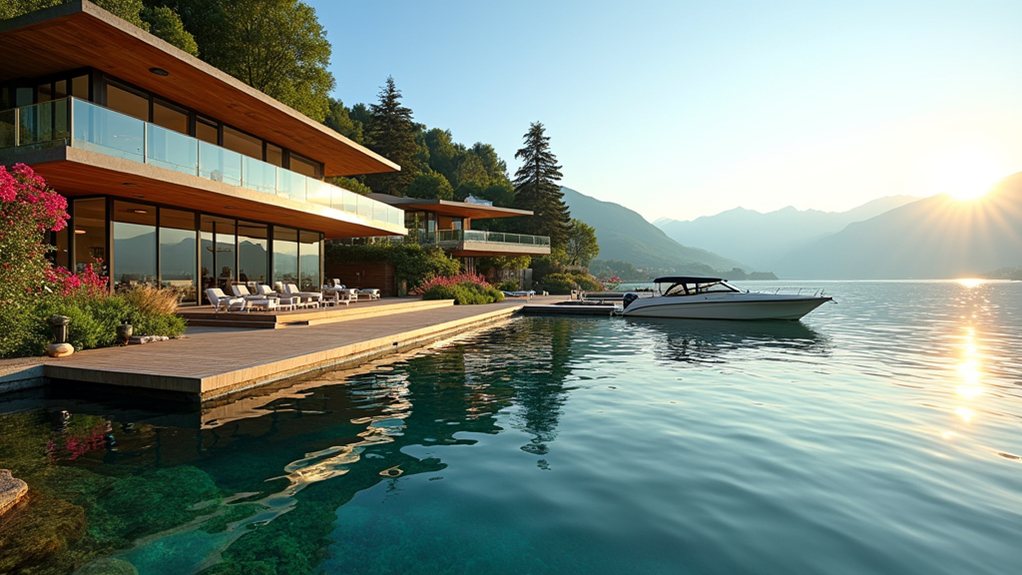
While Lake Como’s shimmering waters and stunning mountain views continue to attract dreamers from around the world, the real competition is heating up in its property market. Buyers are discovering that finding a luxury home on these storied shores is not as easy as it looks in travel magazines—or in glamorous Instagram posts. The lake’s property supply is famously tight, especially when it comes to the ultra-prime waterfront segment, and this scarcity has sent both prices and competition skyward.
Rental yields, which measure the annual return as a percentage of a property’s value, offer a clear picture of the market’s competitiveness. As of 2026, Lake Como’s average gross rental yield stands at 3.2%, which is noticeably below Italy’s national average of 5%. Yet, within Lake Como itself, there’s a wide range. Compact apartments in accessible northern towns like Colico, Dongo, and Domaso can deliver yields between 4.0% and 4.5%, a performance local investors label as “good.” [The difference in yields between neighborhoods can be as much as 2.5 percentage points, highlighting the significant impact of location on rental performance.] With limited new construction, the scarcity of properties further intensifies competition among buyers.
Meanwhile, the central, world-famous areas like Bellagio and Cernobbio see their yields compressed to between just 2.0% and 2.5%, thanks to sky-high prices driven by international celebrity buyers. In these prestigious spots, even a strong rental income can’t quite keep up with how expensive the properties have become.
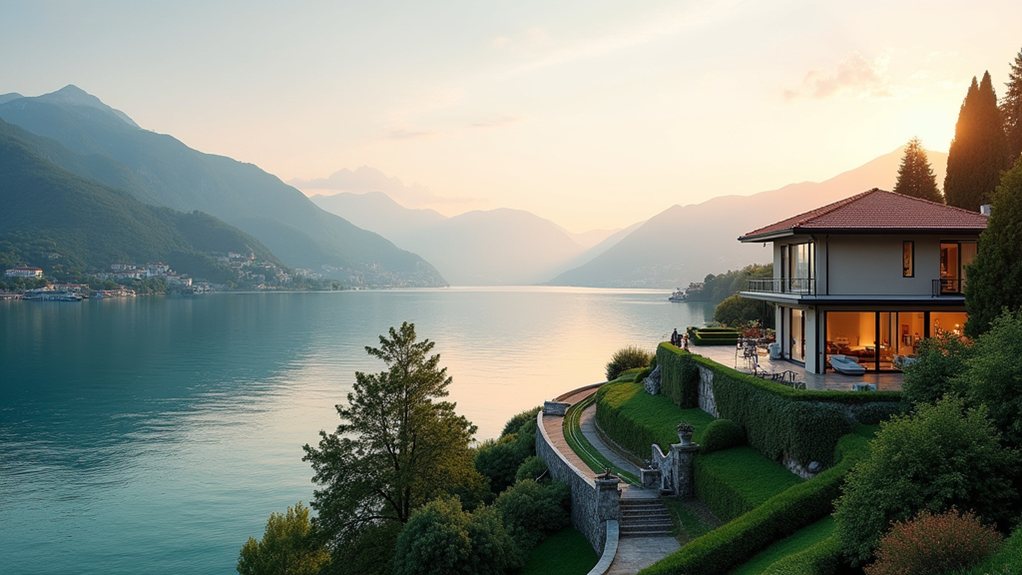
The difference between property types is just as striking. Luxury lakefront villas, which are the jewels of Lake Como, generate rental yields of around 2.0%. These homes are often bought for their status and potential for long-term appreciation, not quick rental returns. Additionally, limited waterfront availability contributes to the allure of these high-end properties.
On the other hand, more practical, compact apartments in well-located towns are the champions of yield, sometimes reaching up to 4.5%. Investors are split: some chase capital appreciation with trophy homes, while others seek steady income from properties that attract vacationers and long-term renters alike.
Supply is perhaps the most intense part of the competition. Lake Como’s limited number of properties—especially those right on the water—means buyers often outnumber sellers. High international interest, especially from US buyers who now make up nearly 15% of the market, adds to the frenzy.
With over a third of luxury property inquiries focused on assets exceeding €5 million, it’s clear that the race is on for the lake’s rarest gems. In the end, today’s buyers are not just purchasing a home; they’re staking a claim in one of Europe’s most exclusive—and competitive—real estate markets.