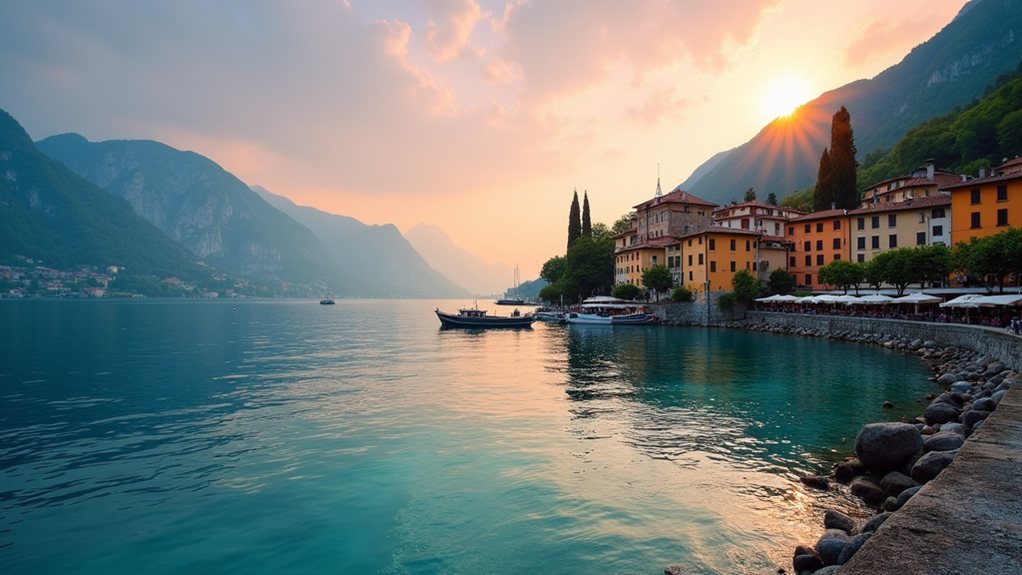
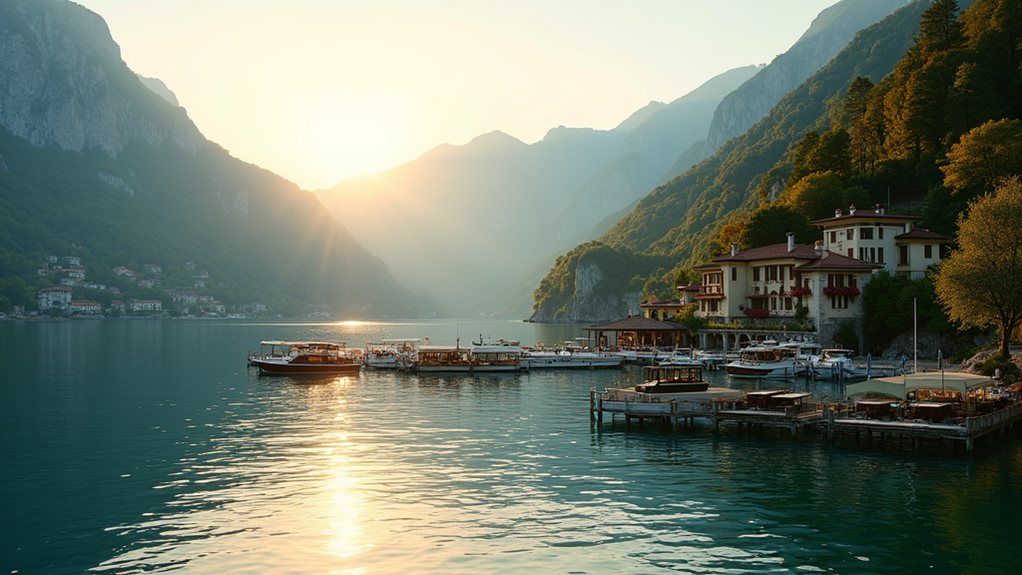
Nestled between sky-touching peaks and shimmering lakes, Lecco is buzzing with talk of transformation—some are even dubbing it a “mountain boom.” With fresh projects and bold ideas on the horizon, longtime locals and newcomers alike are watching as city leaders set their sights upward, literally. Walking along the bustling streets, it’s easy to catch a sense of anticipation, as discussions about Lecco’s future shape not just café conversations but also city hall meetings and community gatherings.
Interestingly, while lively rumors swirl about bold new expansions into the mountains and the creation of seven brand-new high-altitude municipalities, the historical reality is rooted in consolidation rather than expansion. Nearly a century ago, in 1923, Lecco expanded by absorbing six neighboring towns and a portion of another, and then once more in 1928 by incorporating the rest of Maggianico. This historical growth stitched together a patchwork of communities, creating the city’s current borders that hug both the lakeshore and surrounding foothills.
Lecco’s hills once divided, now unified—a patchwork of communities woven together by nearly a century of quiet consolidation.
There’s no official plan—even hidden behind the tidiest stacks of paperwork—proposing a strategic leap up the slopes with seven new mountain municipalities. The city’s recent masterplan, designed to enhance green and blue infrastructure, prioritizes blending natural landscapes with the urban experience rather than municipal expansion.
Still, the energy for transformation is real. Lecco’s leaders are focusing their efforts on future-oriented projects like Lecco 2030, a sustainable city initiative that aims to weave green parks and sparkling blue waterways into daily life. This big plan puts a spotlight on the environment, hoping to balance Lecco’s natural heritage with modern growth.
Meanwhile, the coming 2026 Olympics have inspired infrastructure improvements, making travel safer, greener, and more efficient for both residents and visitors (including, perhaps, a few wannabe mountain climbers). These projects, though not about municipal expansion, fuel a sense of fresh possibility—almost as if the mountains themselves were inching a bit closer.