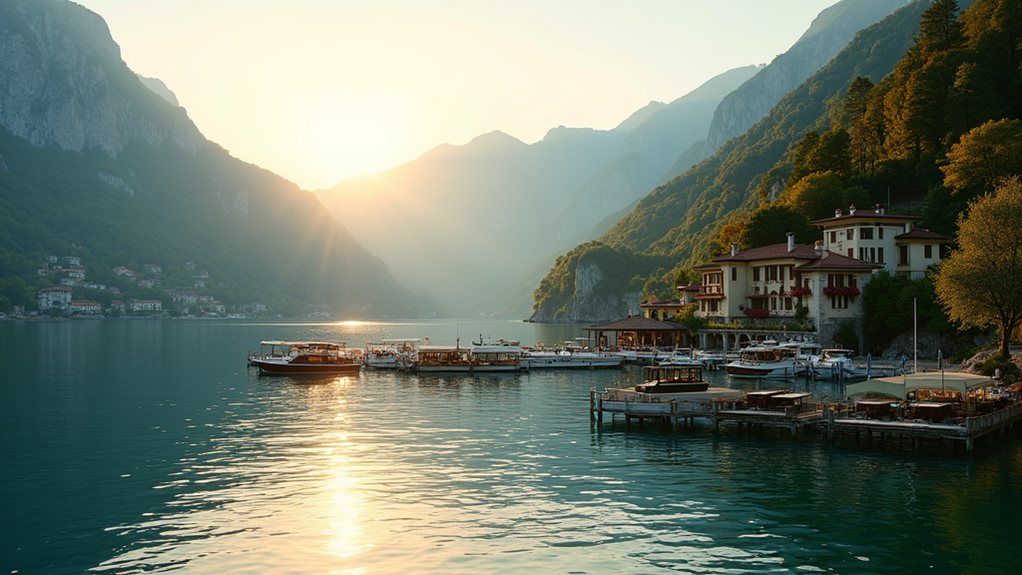
Italy is turning up the spotlight on property ownership, and the tax authorities are more watchful than ever. For owners of Lake Como homes—especially those who enjoy a scenic second residence or rent out lakeside villas—the rules are growing stricter, and the risks of missing something are real. With the Agenzia delle Entrate rolling out sharp new tools for tracking property and income, nobody should assume their charming, ivy-covered getaway is flying under the radar.
Anyone with a second home in Italy, like that cozy retreat overlooking the water, faces the IMU, or municipal property tax, which is set by each town. The rates can swing wildly from one lakeside village to another, so it’s wise to check before buying. Primary residences escape this tax, but for second homes, the full IMU applies—no loopholes, no exceptions. Municipalities also enforce waste-management levies, meaning the tax landscape can differ significantly even between neighboring towns. Additionally, the IMU tax rate can range from 0.76% to 1.06% based on the cadastral value, and understanding local tax rates can help avoid unexpected expenses.
Second homes on Lake Como face the full IMU property tax—rates vary by village, and there are no exceptions for holiday retreats.
And don’t forget TARI, the waste collection tax, which attaches itself to whoever actually occupies the property, regardless of who holds the deed. The bill for TARI usually arrives in two or three installments, depending on the local council’s schedule.
If renting out a property, owners must report every euro of rental income, whether they live in Bellagio or Boston. The default system is IRPEF, Italy’s progressive income tax, but there’s also a cedolare secca option—a flat tax that can sometimes save money. These taxes have their own seasonal rhythm: balance payments and advance installments are due at the end of June and November, just as Lake Como’s tourist season swings into full gear.
Non-residents only pay income tax on Italian rentals, not on properties they own abroad. Tax residents in Italy, however, can’t escape so easily. If they own real estate outside Italy, the IVIE tax comes knocking, and for foreign bank accounts or investments, IVAFE follows close behind. Both are due on the same summer and autumn deadlines as income taxes, making for a crowded calendar.
It doesn’t end with taxes. Title history and building compliance must be flawless. Italian law demands a 20-year review of property title, and any unauthorized extension or creative renovation could mean demolition orders, not just a slap on the wrist.
Cadastral records alone aren’t enough—physical checks against municipal plans are required, and if a balcony or extra room wasn’t approved, regularizing it later is usually impossible.
With tighter tracking, missing even a single detail could turn that Lake Como dream into an administrative headache. For owners, vigilance is now as essential as a good espresso.