Although many people dream of traveling to exciting destinations, few realize how much tourism can shape the places they visit—especially when it comes to property values. As tourism development spreads across various regions, it brings not just a wave of visitors but also significant changes to local housing demand and real estate markets. In popular tourist cities, the demand for homes, apartments, and vacation stays can surge, leading to higher property values. When people flock to an area for its attractions and amenities, housing becomes a hot commodity, sparking price growth that often outpaces less-visited towns.
Tourism drives up demand for housing, turning popular destinations into real estate hotspots with surging property values.
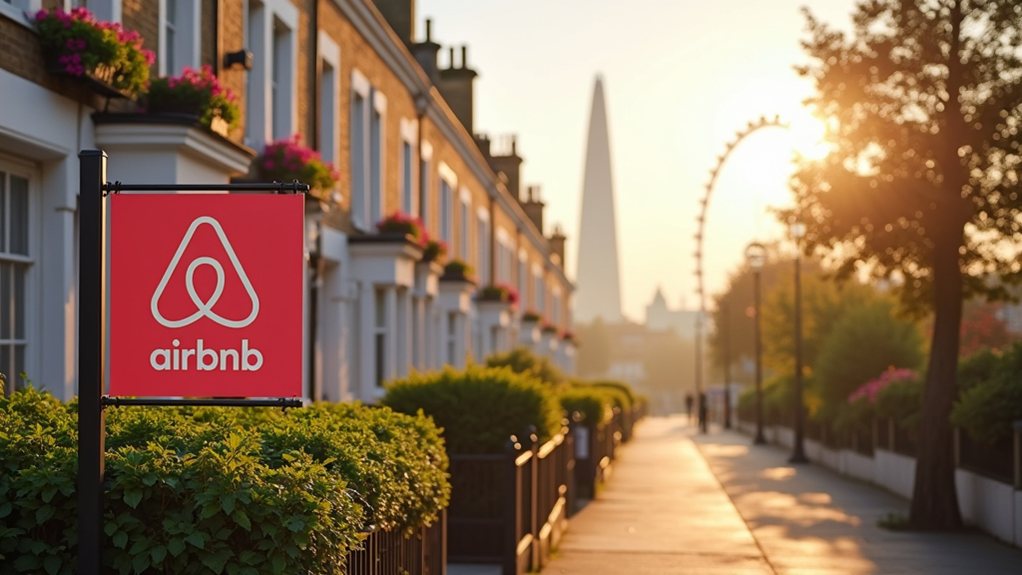
It’s not just the classic “location, location, location” mantra at play; it’s also about the buzz and energy that inbound tourism brings. As more tourists arrive, the need for short-term rentals, like those found on Airbnb, rises, giving property owners a chance to earn more income. However, this shift can tighten the supply of homes available for locals to buy or rent for the long term, leading to what’s known as affordability pressures. For example, in the U.S., research shows that even a 1% increase in short-term rental listings results in a small but real jump in both rents and house prices. In places like New York City, doubling these listings has been linked to home value increases of up to 11%. These changes are especially noticeable in highly touristic zones, where competition for real estate assets gets fierce. Recent research on Iceland shows that a surge in inbound tourism demand is closely linked to rising house and rental prices, especially in small open economies.]
Tourism doesn’t just affect homes—it improves local amenities too. Think about lively shopping centers, trendy restaurants, or new recreational facilities; these make neighborhoods more desirable, and as a result, market prices for nearby properties climb. Developers are quick to catch on, investing in hotels, resorts, and commercial spaces to cater to tourists’ needs.
These upgrades help boost property values across the board, making the area even more attractive for future visitors and residents. The impact of tourism growth isn’t limited to just the buildings themselves. The overall environment, from improved roads to better public transport, also gets a lift, adding to the appeal and pushing market prices higher.
As tourism continues to expand, its ripple effects on property values, housing demand, and local economies show no signs of slowing down. In the end, while a city’s charm may attract visitors, it’s the steady march of tourism development that truly shapes its property landscape.