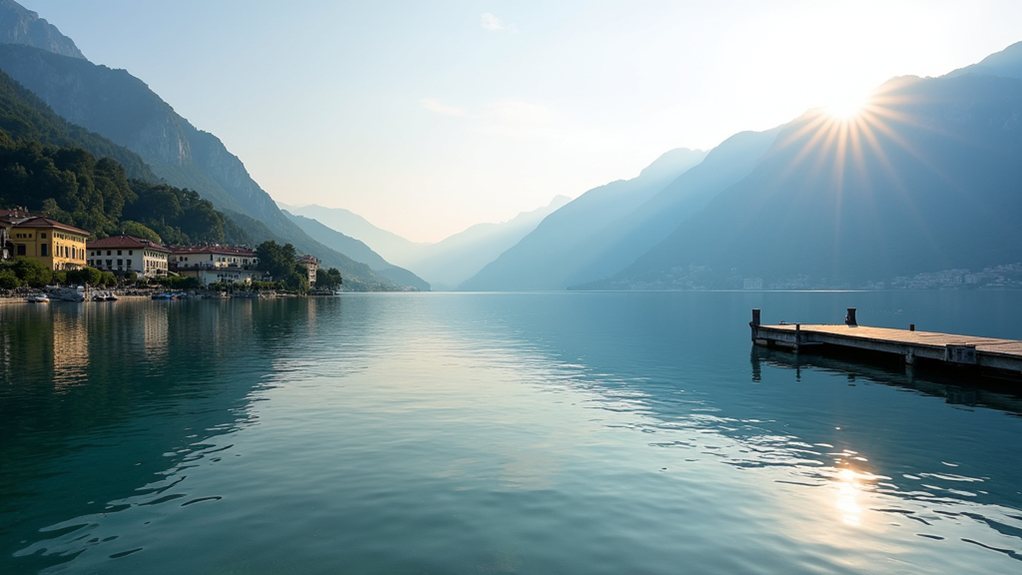
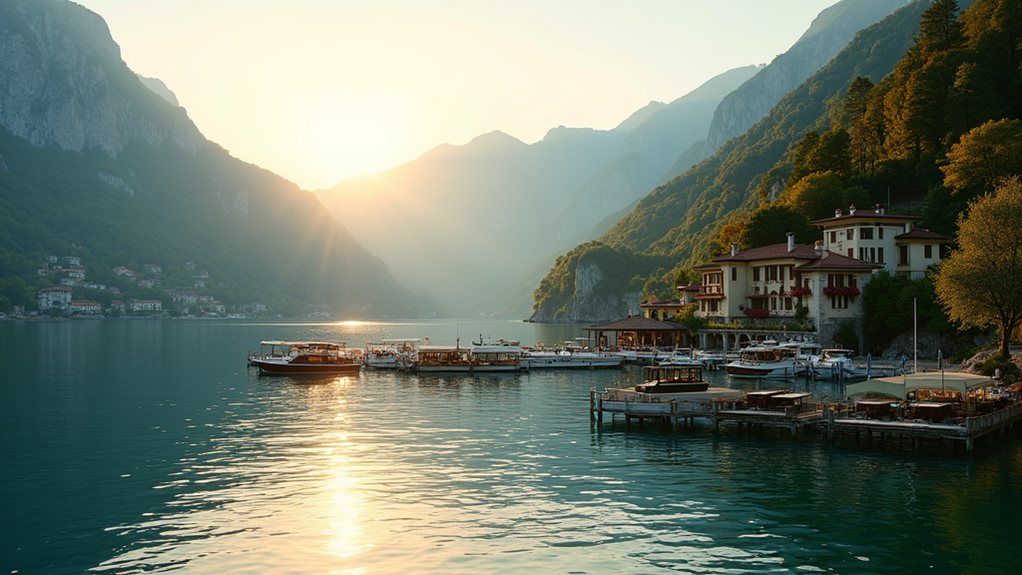
Buying property in Lake Como is very different from buying real estate elsewhere in Italy.
Limited inventory and strict planning regulations constrain supply. Combined with strong international demand, this makes Lake Como one of the most competitive property markets in Italy. Buyers are not only competing on price, but also on speed, legal readiness, and local knowledge.
This guide explains how buying property in Lake Como actually works — from understanding the market structure to navigating the legal process, costs, risks, and location choices. It is designed to help foreign buyers make informed decisions regarding the living costs, avoid common mistakes, and understand where deeper research is required before committing to a purchase.
Who this guide is for (and what you’ll learn)
This guide is for international buyers considering property in Lake Como, whether as a primary residence, second home, or long-term investment.
It is particularly useful for buyers who need a clear overview of how the market works, what legal and financial steps are involved, and how different areas of the lake compare in terms of lifestyle and demand.
Each section introduces a key topic and links to more detailed guides where deeper, location-specific or technical information is required.
Lake Como property market overview
The Lake Como property market does not operate as a single, uniform market. Instead, it is composed of multiple highly localized micro-markets, each influenced by geography, access, planning restrictions, and buyer profiles. As a result, buying property in Lake Como requires a different approach compared to other Italian locations, where pricing, availability, and transaction speed tend to be more predictable.
For buyers, this means that success is less about finding “average value” and more about understanding how location-specific dynamics, legal readiness, and timing affect each individual purchase. This guide focuses on how those dynamics impact the buying process, rather than on price comparisons or lifestyle considerations, which are covered in dedicated guides.
Understanding how the Lake Como real estate market actually behaves is essential for buyers considering an investment in the area. Average prices in the Como municipality currently sit around €2,993 per square meter, with a wide variation depending on location, property type, and proximity to the lake. While some inland areas remain accessible from under €2,000 per square meter, prime lakefront locations and established villages command significantly higher values.
Price dynamics and demand drivers
Several smaller but highly sought-after towns such as Laglio and Argegno show average prices exceeding €5,300–€5,600 per square meter, reflecting limited supply and strong international demand. In the past year alone, prices in the Como municipality have increased by approximately 9.27%, with broader Lake Como areas recording growth in the 5–8% range. This upward pressure is largely driven by foreign buyers—particularly from the U.S. and Northern Europe—combined with strict planning regulations that severely limit new development.
The luxury segment remains one of the strongest pillars of the market, with prestigious lakefront villas and panoramic properties frequently exceeding €10,000 per square meter. At the same time, sustained tourist demand provides long-term stability, supporting both capital appreciation and rental income. Understanding these pricing dynamics and historical trends allows buyers to evaluate opportunities more realistically and avoid relying on lake-wide averages that rarely reflect local market realities.
Who is Buying Property in Lake Como?
Buyer demand in Lake Como reflects a highly international and diversified market, shaped by lifestyle priorities as much as by investment considerations. International buyers represent approximately 70–75% of total demand, with the strongest interest coming from the United States and Central Europe, particularly Germany. At the same time, domestic demand from Northern Italy—especially Milan and the Como province—has grown steadily, focused mainly on mid-range properties and long-term usability rather than short-term speculation.
The dominant buyer profile remains Generation X, accounting for roughly two-thirds of transactions, typically purchasing second homes or relocation properties. Millennials are increasingly active, especially in smaller apartments and renovation projects, driven by flexible working arrangements and lifestyle relocation trends. Buyer demographics are evenly split by gender, with a growing presence of independent female buyers, particularly in urban and well-connected lake areas.
Families and couples make up the core demand segment, often prioritizing accessibility, safety, and proximity to international schools and services. At the upper end of the market, international clients frequently target luxury villas and high-end apartments, with strong emphasis on privacy, energy efficiency, sustainability features, and smart-home infrastructure.
These demographic trends explain why Lake Como continues to attract both lifestyle-driven buyers and long-term investors. Demand is not concentrated in a single segment, but spread across multiple profiles, reinforcing the market’s resilience and long-term appeal.
Step-by-step buying process in Italy
Before starting the purchase process, buyers must understand the key legal requirements involved in buying property in Italy. Foreign buyers are generally allowed to purchase property without restrictions, although non-EU citizens must meet reciprocity requirements between Italy and their country of residence. One of the first mandatory steps is obtaining an Italian tax code (Codice Fiscale), which is required for all property transactions and can be obtained through an Italian consulate or local tax office.
Purchasing property in Italy follows a structured sequence, beginning with an initial offer and negotiation phase where the parties agree on price and terms. Detailed due diligence—covering legal verification, title checks, and technical inspections—should be completed before signing the preliminary sales contract (the “Compromesso”). A notary then formalizes the transfer and manages the final deed, taxes, and registration.
Timelines vary depending on due diligence findings, financing, and transaction complexity, but the full process typically takes between two and four months from offer acceptance to completion.action.
Offer, due diligence, and contracts
Many potential buyers find the process of purchasing property in Italy involves several complex steps that necessitate careful consideration and thorough preparation.
Especially when buying property in Italy as a foreigner, understanding the nuances of the local legal system is vital. The following steps outline the key stages:
1. Offer: Buyers usually make a formal offer, often accompanied by a small deposit, indicating serious intent.
2. Due Diligence: This stage involves verifying the property’s legal status, zoning laws, and ensuring there are no undisclosed liabilities or restrictive covenants.
Engaging a local lawyer is advised.
3. Contracts: Upon satisfactory due diligence, a preliminary contract, known as “Compromesso,” is signed. This contract details the terms of purchase and is legally binding, securing the property for the buyer.
Notary, taxes, and completion timeline
After securing the property through a preliminary contract, buyers in Italy face a series of additional steps involving notaries, taxation, and timeline management to finalize their real estate transactions.
The role of the notary is essential, as they guarantee legality in property transfers. Notary fees typically range from 8% to 10% of the property price.
Property taxes in Lake Como include a 2% registration tax for primary residences and a 9% for second homes. Additionally, the annual IMU property tax is approximately 1.06% of the cadastral value.
The completion timeline can vary, generally taking 2 to 4 months from signing the preliminary agreement to closing. Buyers must manage these elements proactively to complete the purchase effectively.
Best areas to buy property in Lake Como
Different areas of Lake Como appeal to different buyer profiles.
Central lake towns are typically associated with strong demand and limited supply, while northern areas may offer more flexibility and lower entry thresholds. Accessibility, ferry connections, and local services all play a role in long-term usability and rental appeal.
Because each town operates as a distinct micro-market, buyers should evaluate locations individually rather than relying on lake-wide averages. To know more about Lake Como areas to invest you visit our guide.
Key locations and price variations across Lake Como
Lake Como is composed of multiple micro-markets, each with distinct pricing dynamics, buyer profiles, and property types. Understanding how prices vary by location is essential, as lake-wide averages rarely reflect real purchasing conditions on the ground.
– Como municipality: Average prices are around €2,993 per square meter, with prime districts such as Bignanico and Villa Olmo reaching the upper end of the range. This urban market benefits from strong year-round demand, driven by both local buyers and international residents seeking proximity to services and transport links.
– Bellagio: Average prices stand at approximately €3,327 per square meter, while premium lakefront villas can exceed €12,000 per square meter. Bellagio’s global reputation, limited supply, and high rental demand make it one of the most competitive markets on the lake.
– Menaggio: Prime lakefront properties can also exceed €12,000 per square meter, particularly in well-positioned waterfront or panoramic locations. Menaggio attracts a mix of families, second-home buyers, and investors due to its ferry connections, services, and relative livability compared to more tourist-dense towns.
– Laglio: With average prices around €5,332 per square meter, Laglio is firmly positioned in the upper segment of the market. Entry-level properties typically start between €2,500 and €3,500 per square meter, while high-end villas benefit from strong international demand and limited availability.
– Argegno: Averaging approximately €5,664 per square meter, Argegno represents an ultra-prime niche market. Its combination of privacy, lake access, and prestige supports elevated pricing, particularly for renovated or waterfront properties.
These variations highlight why buyers should assess each location individually, factoring in not only price per square meter, but also liquidity, rental demand, accessibility, and long-term usability.
Bellagio vs Menaggio vs Varenna
Why is Lake Como a hotspot for property buyers? The area blends scenic vistas with a robust real estate market, making it one of the best areas to buy property in Lake Como.
The towns of Bellagio, Menaggio, and Varenna each present unique benefits and market characteristics:
- Bellagio: Known for luxury, Bellagio offers lakeside apartments averaging €3,195 per m². The town attracts high-end buyers with its upscale amenities and shopping.
- Menaggio: Positioned as a family-friendly destination, Menaggio has affordable townhouses between €200,000 and €450,000, supported by ferry access and local amenities.
- Varenna: Featuring picturesque views and strong rental demand, Varenna’s prime properties can reach €12,000 per m², appealing to investors prioritizing convenience and scenic beauty.
Property types available in Lake Como
Lake Como offers a wide range of property types, each appealing to different buyer profiles, budgets, and intended uses. Understanding the characteristics and typical pricing of each property category helps buyers align expectations with market realities.
Waterfront villas represent the top tier of the market. These luxury estates often include private gardens, direct lake access, and swimming pools, with prices typically ranging from €2 million to €20 million or more, depending on location, privacy, and condition.
Waterfront apartments provide a more accessible entry point to prime locations, combining lake views with lower maintenance requirements. Prices generally start around €500,000, with premium units reaching €6,000–€10,000 per square meter in sought-after towns.
Hillside stone houses are common above the lake and offer panoramic views and traditional architecture. These properties usually range between €250,000 and €600,000, often requiring some level of renovation but offering strong lifestyle appeal.
Village apartments are found in historic centers and well-connected towns such as Menaggio, Varenna, and Como. Prices typically fall between €200,000 and €450,000, making them popular with second-home buyers and those seeking rental flexibility.
New-build developments are relatively limited due to strict planning regulations. When available, they tend to focus on energy efficiency, modern layouts, and smart-home features, with prices commonly starting from €400,000 and exceeding €1 million in prime areas.
The suitability of each property type depends on factors such as intended use, accessibility, maintenance expectations, and long-term usability. Buyers should evaluate these aspects carefully before moving on to decisions about renovation, new-build purchases, or rental strategies.
Buying new vs buying to renovate
Considering a property purchase in Lake Como presents potential buyers with the choice between acquiring a new-build or venturing into a renovation project.
Data indicates that new-builds often entail higher upfront costs but offer lower property management costs in Lake Como, due to modern amenities and energy efficiencies. Conversely, renovation projects provide an opportunity for customization and potentially lucrative returns if undertaken in high-demand areas such as Bellagio.
Prospective buyers should evaluate:
- Initial Investment: New-builds average between €400,000 and €1 million, while renovations can start from €150,000.
- Property Management Costs: New-builds generally feature lower ongoing expenses compared to older properties requiring extensive maintenance.
- Location Preferences: Regions like Central Lake Como have high rental demand, influencing potential returns on both new and renovated properties. Additionally, understanding the local real estate market is crucial for making informed decisions about your investment.
Buying from private owners vs estate agencies
When weighing the options of purchasing new builds versus renovation projects, prospective buyers in Lake Como also face the decision of acquiring property from private owners or through estate agencies.
Data suggests that 75% of property transactions involve estate agencies, which offer structured services, market insights, and professional negotiations. Conversely, buying directly from private owners, comprising roughly 25% of transactions, might reduce costs by eliminating agency fees, but carries risks such as limited market exposure and negotiation challenges.
Estate agencies tend to dominate in prime locations like Bellagio and Menaggio due to their complex portfolios and connections with international clients.
For buyers seeking transparency and support, estate agencies often provide rigorous due diligence, which is essential in a competitive market like Lake Como.
Costs and taxes you must budget for
Buying property in Lake Como involves several transaction and ownership costs that vary based on property type, usage, and buyer profile.
These may include registration taxes, notary fees, legal assistance, and ongoing ownership costs such as local property taxes and maintenance. The exact amounts depend on factors such as whether the property is a primary or secondary residence, its cadastral classification, and local municipal rules.
Buyers should always obtain a personalized cost breakdown from a qualified professional before committing to a purchase.
Purchase costs and taxes
Purchasing property in Lake Como entails various costs and taxes that prospective buyers must carefully consider and budget for to guarantee a smooth transaction.
Understanding these financial obligations is vital for anyone looking to invest in this picturesque region.
- Registration Tax: Buyers should budget for a registration tax of 2% of the cadastral value for primary residences, rising to 9% for second homes.
- Notary and Legal Fees: These are significant, typically ranging from 8% to 10% of the property’s purchase price, encompassing essential legal services.
- Property Registration Fees: Additional costs include property registration fees, necessary for legal ownership documentation, which often vary based on the property type and location.
Careful planning can mitigate potential financial surprises.
Annual ownership costs
Maneuvering the financial landscape of owning a property in Lake Como requires a clear understanding of the annual costs and taxes that accompany such an investment. The annual property tax, known as IMU, is approximately 1.06% of the cadastral value.
Maintenance costs can range from 1% to 3% of market value annually, necessitating budget considerations for upkeep. Luxury villas typically incur higher maintenance expenses.
Condominium fees may vary, generally falling between €100 and €200 monthly, potentially reaching €500 to €600 in high-service complexes.
Remarkable are the costs associated with compliance, including understanding local regulations and potential fines for short-term rental violations.
Owners should thoroughly budget for these recurring obligations to guarantee a smooth property management experience.
Red flags and scams foreign buyers should avoid
Foreign buyers venturing into the Lake Como property market must exercise caution to avoid common scams and pitfalls. Data indicate several critical areas of concern:
- Unverified Sellers: Potential buyers should confirm the seller’s reputation and the listing’s authenticity through trusted channels, mitigating misrepresentation risks.
- Contract Transparency: Detailed scrutiny of contracts is essential. Incomplete or misleading terms can result in unexpected financial commitments, emphasizing the need for legal counsel versed in Italian real estate.
- Investment Guarantees: Promises of high returns and “too good to be true” deals are common red flags.
Analytical oversight of market trends is recommended, focusing on realistic valuation and rental potential.
Remaining vigilant can protect investors from fraudulent activity, ensuring secure transactions in the lucrative Lake Como market.
Banking, mortgages, and currency transfers
Maneuvering the intricacies of banking, securing mortgages, and facilitating currency transfers is an essential aspect of purchasing property in Lake Como for international buyers.
Data from the Bank of Italy suggests that foreign buyers can obtain mortgages through Italian banks, with interest rates varying between 2.5% and 3.5% based on creditworthiness and property type. Understanding the fixed or variable rate options is vital.
Currency transfers require careful timing due to fluctuations in exchange rates. Historically, the euro’s value against major currencies like the U.S. dollar and the British pound can impact purchasing power by up to 8%.
Ensuring an efficient currency transfer involves utilizing reputable foreign exchange specialists to minimize fees and secure favorable rates, streamlining the acquisition process.
Frequently asked questions about buying in Lake Como
Can foreigners buy property in Lake Como?
Yes. Foreign buyers can legally purchase property in Lake Como. EU citizens face no restrictions, while non-EU buyers must meet reciprocity requirements between Italy and their country of residence. In all cases, buyers must obtain an Italian tax code (Codice Fiscale) and comply with standard legal procedures.
What are the main legal steps when buying property in Italy?
The process typically involves making a formal offer, completing legal and technical due diligence, signing a preliminary contract (Compromesso), and finalizing the purchase before a notary. Each step has legal implications, which is why professional legal assistance is strongly recommended, especially for foreign buyers.
Is Lake Como a good place to invest in property?
Investment performance depends on location, property type, intended use, and regulatory compliance. Buyers should evaluate each opportunity individually rather than relying on general market assumptions.
What costs should buyers expect beyond the purchase price?
In addition to the property price, buyers should budget for transaction-related costs such as registration taxes, notary fees, legal assistance, and ongoing ownership expenses. These costs vary depending on factors such as property classification, usage, and local municipal rules. A personalized cost breakdown should always be obtained before committing.
What is the average time to complete a property transaction in Lake Como?
Most property transactions in Lake Como take between 2 and 4 months from offer acceptance to completion. However, more complex cases—such as properties requiring extended due diligence, financing approval, or legal regularization—can extend the process to 5 or 6 months. Foreign buyers should also factor in the time required to obtain documents such as the Codice Fiscale before making an offer.
Are there specific seasons for better property deals in Lake Como?
Better negotiation opportunities are typically found during shoulder and low seasons. Late autumn and winter months often see reduced buyer competition, which can increase price flexibility. Spring and early autumn may also allow for more balanced negotiations compared to peak summer months, when demand is highest.
How do property taxes compare for foreigners versus Italians?
Property taxes are generally the same for foreign and Italian buyers. Second homes are subject to a 9% registration tax based on the cadastral value, along with annual IMU property tax set by each municipality. Tax exemptions for primary residences apply only to Italian tax residents, but nationality itself does not affect tax rates.
Is property management available for foreign buyers in Lake Como?
Yes. Property management services are widely available in Lake Como, particularly for second-home owners and investors. Local agencies can handle maintenance, inspections, and short-term rental management, making remote ownership more practical for foreign buyers.
Can foreign buyers obtain mortgages from Italian banks?
Yes, foreign buyers can apply for mortgages through Italian banks, subject to eligibility requirements. Non-residents typically finance up to 50–60% of the property value, while residents may access higher loan-to-value ratios. Approval depends on income, credit profile, and compliance with reciprocity rules for non-EU buyers.